
The Sentence Is the Same. You Are Reading It from a Different Life.
Return to a meaningful book with fresh questions, distinguish recognition from agreement and examine old underlining without surrendering your present judgment.

IN THIS ARTICLE
Your old margin contains a former questionSeparate gratitude from permanent agreementName the kind of statement before evaluating itReturning is an experience worth examiningConsider the leadership book after responsibility arrivesKeep your old interpretation visibleDo not make rereading a loyalty testLet the next reading produce a more exact questionYour old margin contains a former question
You open a book you once called life-changing. A sentence is heavily underlined, with an urgent mark beside it. Today it seems incomplete. Another passage you barely noticed now holds your attention. The book has not necessarily changed. The life from which you approach it has. CyGuru's Human Codes perspective treats this encounter as an opportunity to examine the relationship between language, experience and judgment. The useful question is not whether your earlier enthusiasm was foolish. It is what the sentence helped you see then, what it overlooks now and what you can responsibly carry forward. Your old underlining is evidence of a reading moment. It is not a binding instruction that your present mind must continue to approve every conclusion reached by the person who first held the pen.
Separate gratitude from permanent agreement
A book may have helped you through a difficult period without answering every later question. Gratitude for that help does not require lifelong assent. You can appreciate the structure a text supplied while revising an idea that no longer withstands examination. Equally, disagreement with one claim need not erase everything you learned. Read the passage closely enough to identify what is actually being proposed. Are you reconsidering the author's words, an interpretation you added or an exaggerated promise you remember from the surrounding publicity? Those are distinct objects of review. The Human Codes reading asks you to preserve the capacity to question without turning every revision into a denunciation. A reader can remain serious about a book precisely by refusing to protect it from the standards applied to other influential sources.
Name the kind of statement before evaluating it
A metaphor, historical claim, personal testimony and scientific proposition require different forms of assessment. A description of life as energy may function as philosophical language. It does not automatically become a measurable physiological mechanism. A striking anecdote may explain why an author asks a question without establishing that the suggested answer applies to everybody. When a passage concerns health, money or another consequential decision, seek appropriate independent evidence and qualified advice rather than relying on emotional resonance. This principle applies to CyGuru books as well as any other library. The author's nervous-system doctrine is an interpretive framework. Familiarity with that framework does not turn every sentence within it into established research. Rereading becomes more useful when you can say what kind of claim you are considering and what would count as a responsible reason to accept it.
Returning is an experience worth examining
Russell and Levy's qualitative research explored people's deliberate return to books, films and places through phenomenological interviews. That work describes how familiar experiences can be revisited from changing perspectives; it does not prove that rereading necessarily improves judgment or psychological health. The relevant connection here is descriptive. Returning to something known may reveal changes in what you notice and seek. You are not required to experience that change as progress. A passage may feel less interesting because your needs are different, because the work is limited or because you are reading hastily. Keep more than one explanation available. Treat the research as a way of naming a human activity, then make your own present reading attentive enough that a preferred story about personal transformation does not replace contact with the actual text.
Consider the leadership book after responsibility arrives
A reader once loved a passage about decisive authority. Years later, after managing people, the same paragraph raises questions about consultation and the cost of mistakes. The earlier reading emphasized the courage to act. The later reading notices who bears the consequences. Both observations can be intelligible without making the original passage sufficient. The reader writes a new question beside the old mark: what information must a leader gather before acting? That addition gives experience a practical role. It does not require claiming that the book secretly contained every later insight. Nor does it require pretending that experience has made the reader immune to error. The example shows a changed relationship with an idea. Its value lies in the more precise question now available, not in a flattering declaration that the reader has outgrown everyone who still likes the original sentence.
Keep your old interpretation visible
If you annotate, consider dating a new note rather than obliterating the old one. You may later want to understand how the interpretation changed. A separate reading notebook can work just as well, especially with borrowed or valuable books. Record the passage, your earlier understanding if you remember it and the reason for your present revision. Distinguish a documented change in evidence from a change in taste or life circumstances. Both matter, but they justify different conclusions. This practice is a suggested method of reflective reading, not a scientifically validated route to wisdom. It gives you something specific to examine when memory compresses a gradual reconsideration into a dramatic before-and-after story. The record can show that some beliefs changed, others became more nuanced and several questions remained honestly unresolved.
Do not make rereading a loyalty test
A reading group can become uncomfortable when someone no longer admires a shared favorite. Invite discussion of the claim rather than demanding proof of loyalty to the author or community. Ask what changed the person's interpretation and whether you understand their objection. You need not agree. You do need to avoid replacing the passage with an argument about who is enlightened, cynical or insufficiently committed. The same courtesy applies inside your own thought. You may return to a spiritual or philosophical book for its language and still decline its factual assertions. You may retain a practical exercise while rejecting the surrounding theory. State the distinction plainly. A library becomes richer when connections can be considered without every connection becoming an obligation to endorse an entire system of beliefs.
Let the next reading produce a more exact question
You do not have to finish the whole book again. Choose a relevant chapter, read enough context to avoid misrepresenting it and identify one question worth pursuing. Perhaps you need a primary source, a competing interpretation or a practical example from your life. Perhaps the useful conclusion is simply that this book belongs to an earlier season and can rest on the shelf. Neither continuing nor stopping establishes your intellectual worth. In the CyGuru perspective, agency includes the ability to receive an idea without making it the owner of your judgment. The same sentence can meet a changed life and produce a different conversation. What matters is the quality of that conversation: careful about evidence, honest about interpretation and open enough that gratitude for an old insight does not prevent a more responsible decision today.
Continue the reading path
- The Secret Code Of Belief: What would you need to observe before revising a belief you consider central?
- The Life Code of CYGURU: Which principle would change a decision you are making this week?
Sources and further reading
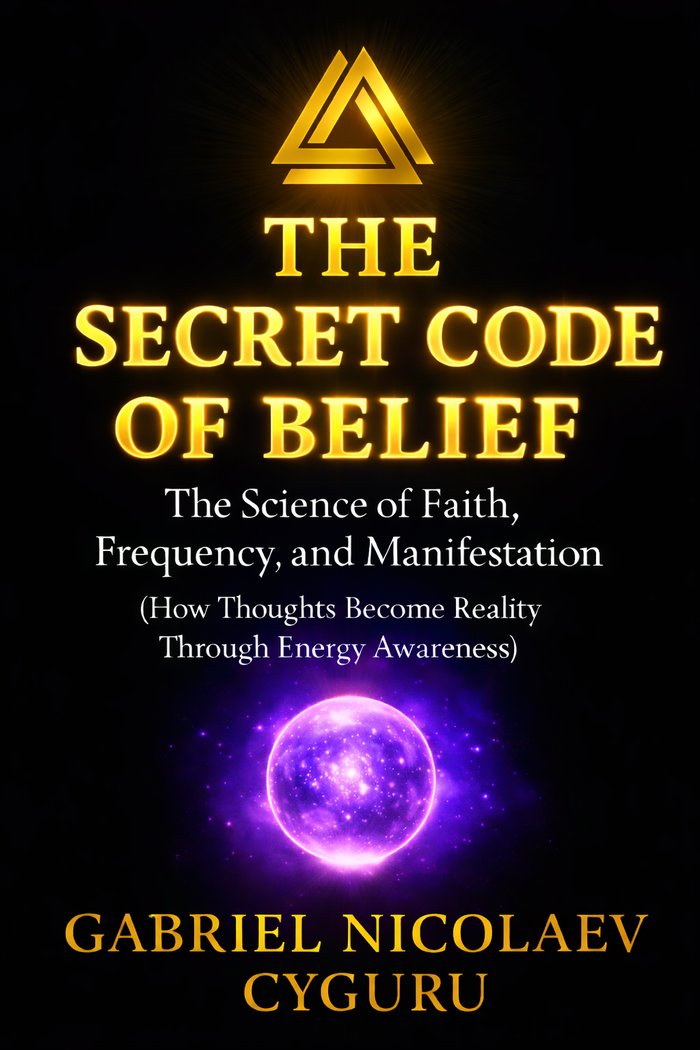
The Secret Code Of Belief
A belief can organize behavior before it is ever stated as a proposition. This title invites reflection on the assumptions that influence what seems possible, what feels threatening and which evidence a person accepts most readily.
View & order on CYGURU.com ↗