
The Queue Is Moving Slowly. It Has Not Made a Statement About You.
Distinguish an inconvenient wait from a personal insult, ask useful questions and keep your next action proportionate to the actual delay.
IN THIS ARTICLE
A small delay acquires a large meaningFind the constraint before naming the enemyA physical reaction is not a witness to intentionChanging the meaning is different from disguising the expressionThe missed appointment needs a plan of its ownFairness can be defended without competing for humiliationDecide what the remaining wait is worth nowLeave without carrying the queue into every later encounterA small delay acquires a large meaning
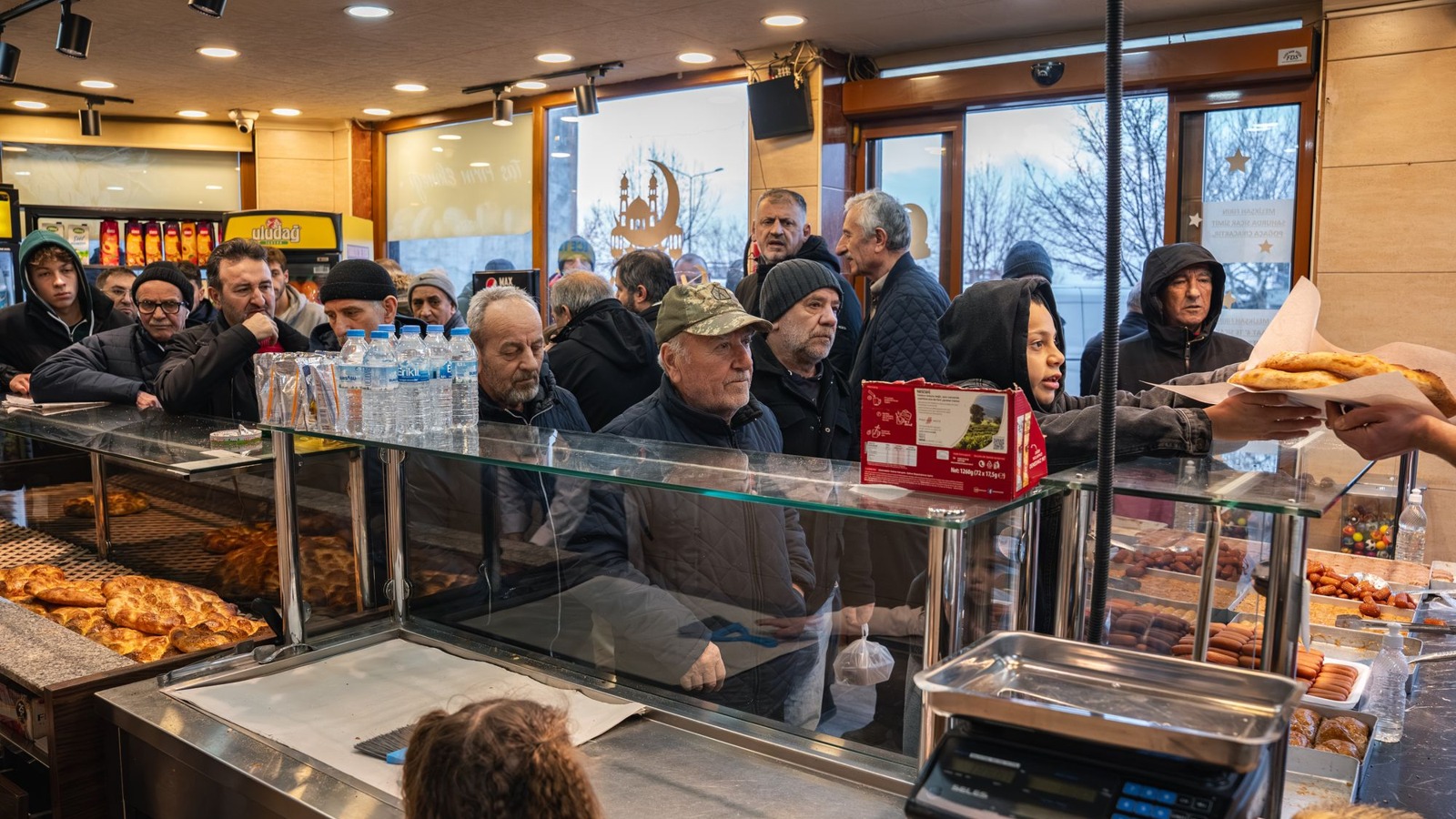
You join a queue expecting a short wait. Ten minutes later, the line has barely moved. You have a meeting afterward, the room is uncomfortable and nobody has explained the interruption. These are practical problems. Then another claim enters: they think your time does not matter. Suddenly the person at the desk is answering for more than the delay. In the CyGuru reading, this is the moment to separate an event from the authority you give its interpretation. A slow queue may reflect poor organization, a difficult transaction or a genuinely disrespectful policy. It does not reveal the whole explanation merely by making you uncomfortable. You can take the inconvenience seriously without allowing an unverified account of somebody else's intentions to decide how you behave.
Find the constraint before naming the enemy
Ask what you need to know. Is the service temporarily unavailable? Is another queue moving? Will leaving your place lose access today? These questions identify the decision in front of you. A person who has twenty minutes before collecting a child needs different information from someone who can return tomorrow. You do not need a complete explanation of the institution to choose the next reasonable step. Be specific when asking staff for information: you have a time constraint and need an estimate or an available alternative. They may not know the answer. That uncertainty is relevant information too. Notice the difference between asking for something that would help you act and demanding a performance of remorse that would mainly help you feel acknowledged.
A physical reaction is not a witness to intention
You may notice your shoulders tightening, your voice becoming sharper or the urge to inspect who arrived after you. Those observations can help you recognize that waiting has become more than neutral time. They cannot establish why the system is slow or what the employee thinks of you. The Human Codes nervous-system doctrine is used here as an interpretive framework for examining pressure and response. It is not a diagnosis of the person in the queue or a biological explanation of every impatient act. Fatigue, pain, financial constraints and genuine previous mistreatment can all affect the situation. Keep those circumstances visible. Regulation becomes useful when it helps you investigate the practical problem accurately, rather than requiring you to pretend the problem does not exist.
Changing the meaning is different from disguising the expression
Gross's laboratory research distinguished changing how a disturbing film was interpreted from concealing visible emotional expression. The conditions produced different measured responses. That experiment did not study service queues or prove which response will work for a particular reader. It offers a narrower reason to distinguish reconsidering an interpretation from merely forcing yourself to look pleasant. In this queue, the practical inquiry concerns the evidence for your story. Perhaps the clerk is struggling with a system failure rather than deliberately ignoring you. Holding that possibility does not require believing it. It prevents one hostile explanation from acquiring exclusive authority before you have checked. You can remain dissatisfied, ask a firm question and consider an alternative without first winning an argument inside your head about the employee's character.
The missed appointment needs a plan of its own
Imagine someone waiting to collect a document before a business appointment. As the queue stalls, they become absorbed in composing a complaint. They do not contact the person expecting them, although that call could reduce the consequences. Their attention has shifted from managing the delay to prosecuting its meaning. A more useful sequence would establish the likely wait, notify the other party if necessary and decide whether to stay. A complaint may still be appropriate afterward. It simply does not have to occupy the place where immediate planning belongs. This distinction protects agency because a person can have a legitimate grievance and still make the situation worse by withholding practical action until somebody has admitted that the grievance is justified.
Fairness can be defended without competing for humiliation
If someone cuts ahead, state what you observed and ask how the queue is being managed. If the service treats people inconsistently, record the relevant facts and use an appropriate complaints process. Firmness does not require an audience to watch you make another person small. Nor does proportionate conduct require accepting discrimination or abuse. The question is which action addresses the problem and which action mainly releases tension onto the nearest available person. A clerk may have little control over staffing or a broken system. Direct a complaint toward the responsible process where possible. If the environment becomes unsafe, prioritize leaving or obtaining suitable assistance. The value of a considered response is its fit to the actual situation, not its ability to make you appear agreeable under every condition.
Decide what the remaining wait is worth now
Once you have enough information, compare the available options from this point forward. Time already spent matters to your experience, but it cannot automatically make another hour worthwhile. You may reasonably stay because the document is necessary today. You may leave because returning is less costly. Neither decision needs to prove that the previous wait was sensible. Explain the relevant limit to anyone affected, then act on the choice. Avoid repeatedly reopening the decision whenever the line moves one place. A practical stopping condition can help: if service has not resumed by a particular time, you will take the available alternative. This is an arrangement for your circumstances, not a universal rule that everyone should leave a queue after a fixed interval.
Leave without carrying the queue into every later encounter
Afterward, review what the delay actually required and what your interpretation added. Did asking a question improve the decision? Did a complaint reach the right destination? Did your frustration spread to a partner, driver or colleague who had no part in the event? Repair any conduct that needs repair without turning the day into a verdict on your personality. Waiting is one of the ordinary places where the wish for control meets a limit. The CyGuru invitation is to preserve the choices that remain inside that limit. You can object to poor service, protect your time and acknowledge discomfort while declining to treat every minute of inconvenience as an announcement about your value. The queue can end when you leave it, even if the institution still needs to improve.
Continue the reading path
- CALM UNDER FIRE: What would a proportionate response look like before emotion makes it feel too small?
- CyGuru Law Of REGULATION: Under which conditions does your usual competence become harder to access?
Sources and further reading

CALM UNDER FIRE
Pressure can create a false choice between reacting immediately and doing nothing. Calm Under Fire invites attention to the space in which a person can assess a situation without pretending that the stakes have disappeared.
View & order on CYGURU.com ↗