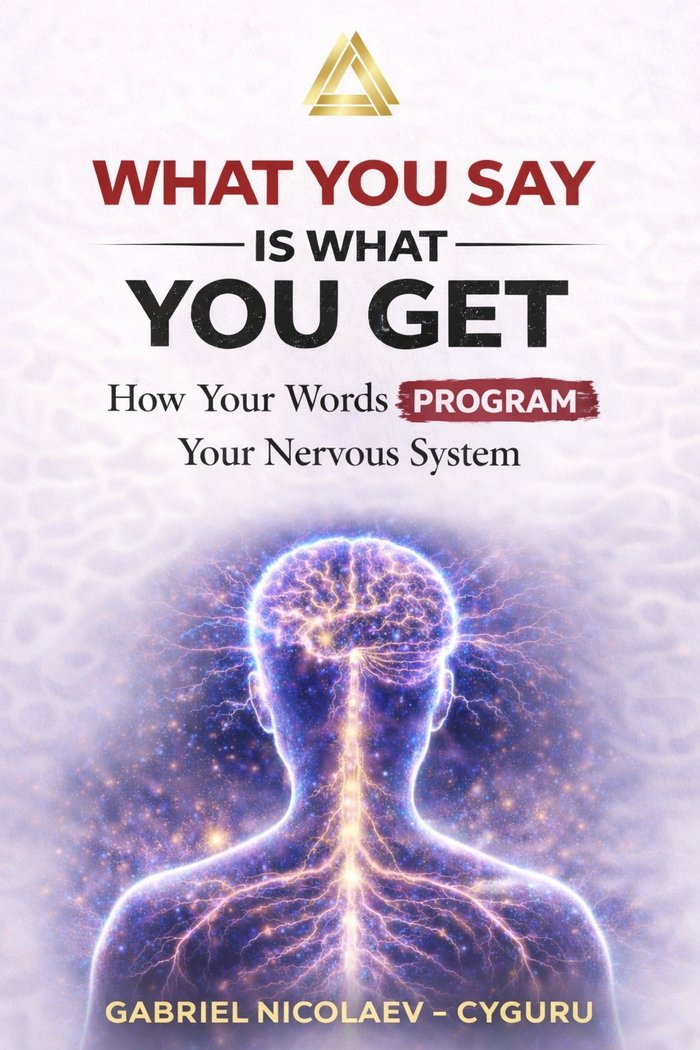
WHAT YOU SAY IS WHAT YOU GET
Words can turn a vague thought into a commitment that other people respond to. This title invites attention to the practical consequences of language: requests, promises, self-description and the expectations created by repetition.
Order this book on CYGURU.com ↗Orders, available editions and current pricing are handled by the official CYGURU.com bookstore.
Is this your next book?
Read it through ordinary interactions before making larger claims about how reality works. A sentence can clarify an intention or conceal it; the difference becomes visible in what the speaker subsequently does and what the listener reasonably understands.
A question to explore before reading
Does your usual language describe a choice or avoid making one?
Keep this question alongside your own experience as you compare the perspectives in the library.
Explore the subject first.
These original journal essays offer a way into related questions.
 The Sentences That Build Your Next Decision
 Make Your Words Carry the Decision You Mean
A perspective for your reading
Read it through ordinary interactions before making larger claims about how reality works. A sentence can clarify an intention or conceal it; the difference becomes visible in what the speaker subsequently does and what the listener reasonably understands.
A question to carry into the book
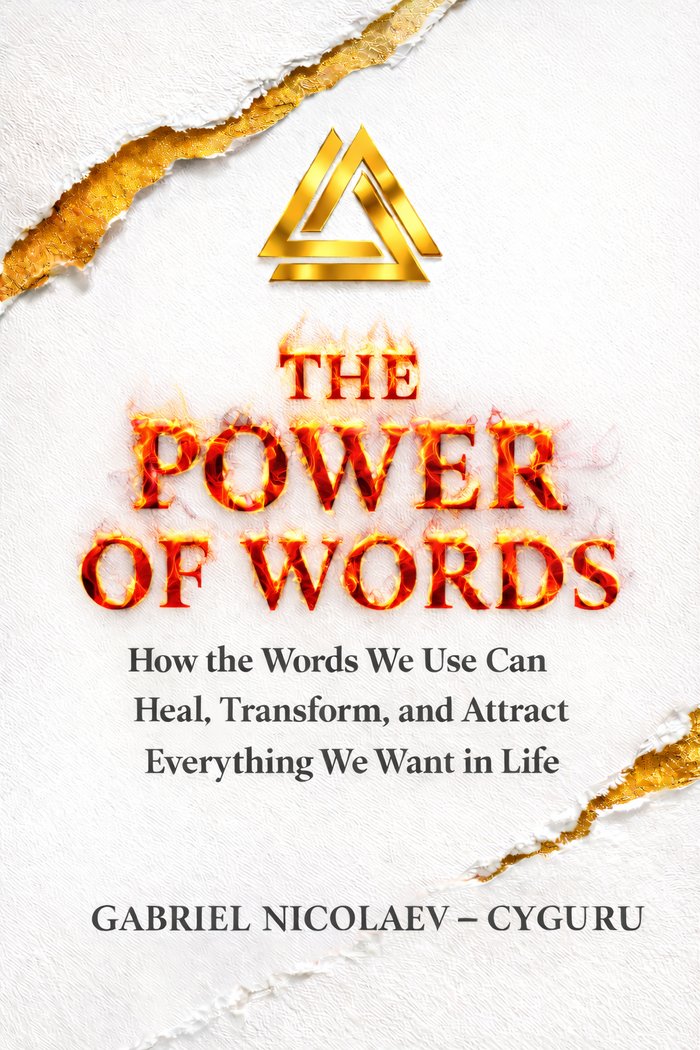
Continue this line of inquiry with The Power Of Words. Which promise has your language created that your behavior has not yet honored?
Build your next reading connection
- The Power Of Words — A statement can create an expectation that continues long after the conversation ends.
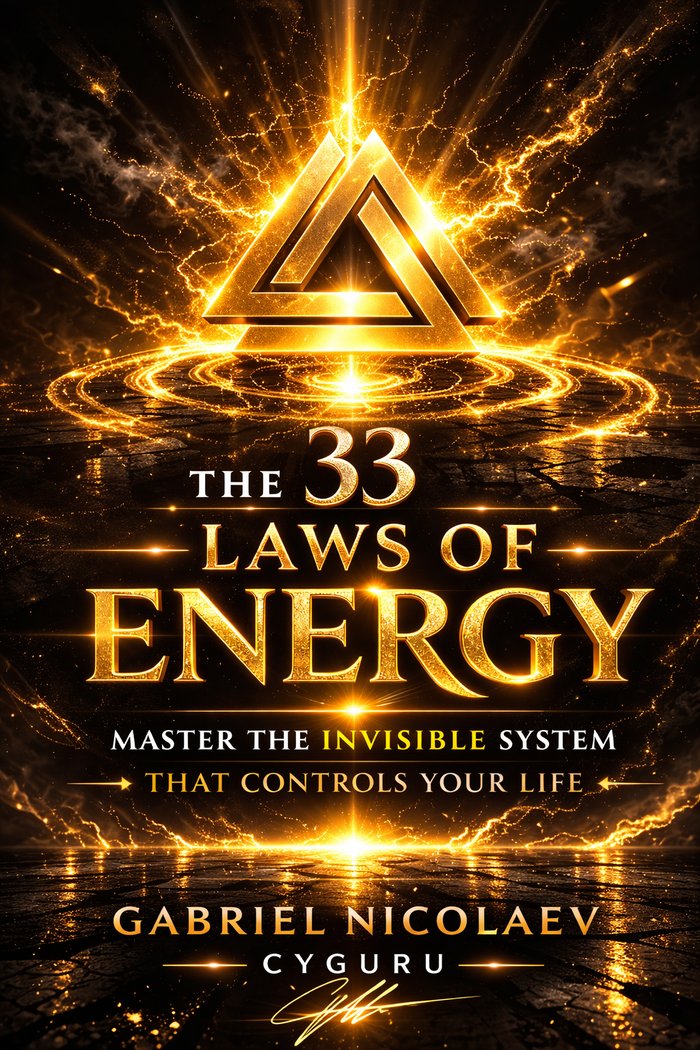
- THE 33 LAWS OF ENERGY — Energy can mean physical resources, subjective vitality or a metaphor for attention and effort.
- THE CODEX — MATRIX EXIT — The language of a matrix can describe the experience of living inside assumptions that are rarely examined.