
You Want to Get Better. An Antibiotic Still Needs the Right Reason.
Understand why antibiotics treat certain bacterial infections rather than viruses, and prepare useful questions about care, expected changes and follow-up without self-prescribing.

IN THIS ARTICLE
The wish for action arrives before the treatment decisionKnow the distinction before interpreting the recommendationDescribe the illness rather than campaign for a medicineUnderstand resistance without turning it into a personal defectAsk what appropriate care looks like without that prescriptionIf one is prescribed, clarify the actual instructionsNotice when uncertainty becomes a demand for proof of careLet the follow-up plan carry the uncertainty responsiblyThe wish for action arrives before the treatment decision
You have felt unwell for several days and want the appointment to produce something concrete. A prescription can seem more reassuring than an explanation of what to observe next. That feeling is understandable, but it does not establish which treatment is appropriate. The Human Codes question concerns how the need for certainty enters a clinical conversation. You can want effective care while remaining open to the possibility that an antibiotic is not part of it. This article offers general education and questions for a healthcare professional, not a diagnosis of your symptoms or instructions for an individual medicine. The aim is participation in an appropriate plan. It is not proving toughness by avoiding care or proving that a consultation was worthwhile by leaving with a particular prescription.
Know the distinction before interpreting the recommendation
CDC explains that antibiotics treat certain infections caused by bacteria and do not treat viral infections such as colds or flu. Some bacterial infections also do not automatically require antibiotics. These distinctions matter because the label infection alone does not identify the right treatment. Ask what the clinician thinks is causing the illness, what remains uncertain and how the recommendation follows from the assessment. Do not try to diagnose the cause from a single symptom, a familiar pattern or an online comparison. CDC notes that even thick, yellow or green mucus does not make antibiotics appropriate for a viral cold. The practical lesson is to seek an explanation relevant to the whole clinical situation rather than treating one visible feature as permission to prescribe for yourself.
Describe the illness rather than campaign for a medicine
Before the consultation, make a concise account of when symptoms began, what has changed, relevant health conditions and medicines or allergies the professional needs to know about. Tell them what you actually took, including anything obtained without a prescription or left from an earlier illness. An accurate account supports assessment more than a rehearsed argument for the medicine you already expect. If a previous episode improved after an antibiotic, describe that history without declaring that the same treatment must be necessary now. Many circumstances can differ between apparently similar illnesses. A useful opening is a question about the current assessment and recommended care. It leaves room for the professional to explain rather than forcing the conversation into agreement or resistance around one product name.
Understand resistance without turning it into a personal defect
Antimicrobial resistance concerns germs developing the ability to defeat medicines designed to kill them; it does not mean that a person's body has become resistant to antibiotics. CDC describes how exposure can favor resistant germs and how resistance mechanisms can spread. This is a reason to use these important medicines appropriately, not a reason to blame a patient for every difficult infection. Antibiotics can be lifesaving when indicated. Unnecessary use can still produce side effects and contribute to resistance without helping a viral illness. Keep those ideas together rather than choosing an extreme story in which antibiotics are always the answer or always harmful. The medical decision needs the right indication, the person's circumstances and professional guidance. A broad philosophy about the body cannot responsibly replace that work.
Ask what appropriate care looks like without that prescription
If an antibiotic is not recommended, ask what the plan does include. What can be done safely for the symptoms in your circumstances? What course is reasonably expected, what changes would warrant reassessment and whom should you contact if the illness worsens? Advice about an over-the-counter product still needs to account for relevant conditions, other medicines and age. Do not assume that nonprescription means suitable for everyone. A plan can be active and specific even when it does not include the treatment you initially expected. Ask for clarification in language you understand, and request written information when useful. Leaving with a follow-up arrangement and a clearer understanding is a clinical outcome. Leaving uncertain because you felt embarrassed to ask another question is an obstacle worth naming.
If one is prescribed, clarify the actual instructions
When a qualified professional prescribes an antibiotic, follow the instructions given for your particular treatment. Ask about the dose schedule, duration, relevant precautions and what to do if problems arise or an instruction is unclear. Do not share a prescription, use another person's supply or save leftovers as a private plan for the next illness. CDC advises taking antibiotics as prescribed and discussing concerns with the healthcare professional. If you experience a possible adverse effect, seek appropriate advice rather than independently inventing a replacement regimen. Urgent or severe symptoms require timely assessment. This article cannot determine whether a particular symptom is a drug reaction or what action is right for an individual. The practical commitment is accurate communication and access to an appropriate professional when the plan needs clarification.
Notice when uncertainty becomes a demand for proof of care
Imagine a patient who hears that antibiotics are not indicated and concludes that the clinician has dismissed the illness. The discomfort remains real, but the proposed meaning may be inaccurate. A useful next sentence asks for the reasoning and the expected next step. In CyGuru's nervous-system doctrine, the pressure to obtain an immediate object of reassurance is an interpretive question about response and meaning. It is not evidence that distress caused the infection or that regulation can replace necessary treatment. You may feel anxious and still need further medical assessment. You may feel calm while misunderstanding the instructions. Neither feeling settles the clinical question. Keep returning to observable symptoms, the professional explanation and the agreed route for follow-up if the situation changes.
Let the follow-up plan carry the uncertainty responsibly
After the appointment, keep the instructions somewhere accessible and make sure anyone appropriately helping you understands them. If the course differs from what was discussed, follow the advised route for reassessment rather than relying on a stranger's certainty online. Seek urgent care for severe, rapidly worsening or otherwise concerning symptoms as appropriate to the situation; do not wait for a planned review when urgent assessment is needed. The useful achievement is a clearer relationship with care: you can explain why a medicine was or was not recommended, what you have been told to do and when to ask again. Agency does not require becoming your own prescriber. It can mean asking an accurate question and allowing evidence and qualified judgment to determine the answer.
Continue the reading path
- The Nicolaev Medicine Manual: Which part of a health framework is an observation, an interpretation or a proposed intervention?
- THE NERVOUS SYSTEM CODE: What changes in your behavior when the same situation feels safe rather than threatening?
Sources and further reading
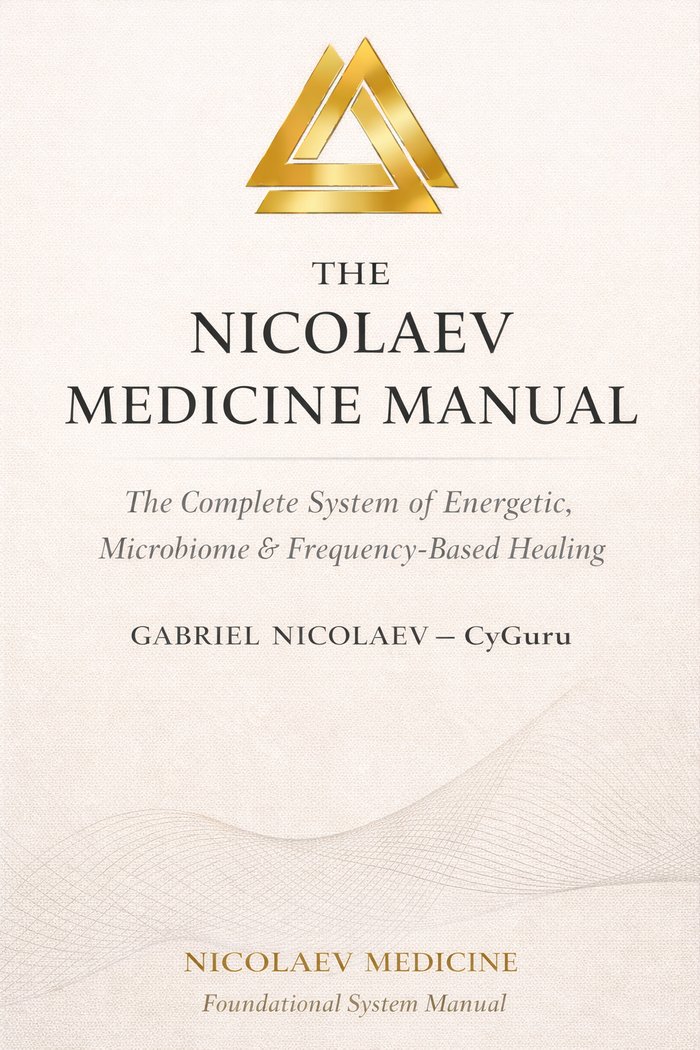
The Nicolaev Medicine Manual
A named health philosophy deserves to be examined on its own terms and against reliable evidence. This manual is the natural entry point for readers seeking to understand what the author means by Nicolaev Medicine.
View & order on CYGURU.com ↗