
Health & Medicine
Original essays exploring health & medicine, with connected reading paths through the Human Codes Library.

A Negative Screening Result Answers a Defined Question
Understand what a negative screening result can establish, ask about follow-up and keep new symptoms visible without turning uncertainty into constant testing.
Read the article ↗
Record the Symptom. Do Not Give It Every Page of Your Day.
Keep a concise symptom record that supports clinical assessment, distinguishes observations from theories and leaves room for ordinary life.
Read the article ↗
A Fifty-Percent Increase in Risk Still Needs a Starting Number.
Read relative and absolute risk together, check the population and time period, and turn alarming health headlines into precise questions.
Read the article ↗
Your Family Health History Is Information, Not a Verdict
Collect useful family health information, preserve privacy and discuss risk with a clinician without turning inheritance into certainty.
Read the article ↗
The Supplement Promise Is Simple. Your Medication List Is Not.
Turn supplement marketing into specific questions about ingredients, evidence and interactions before adding another product to your routine.
Read the article ↗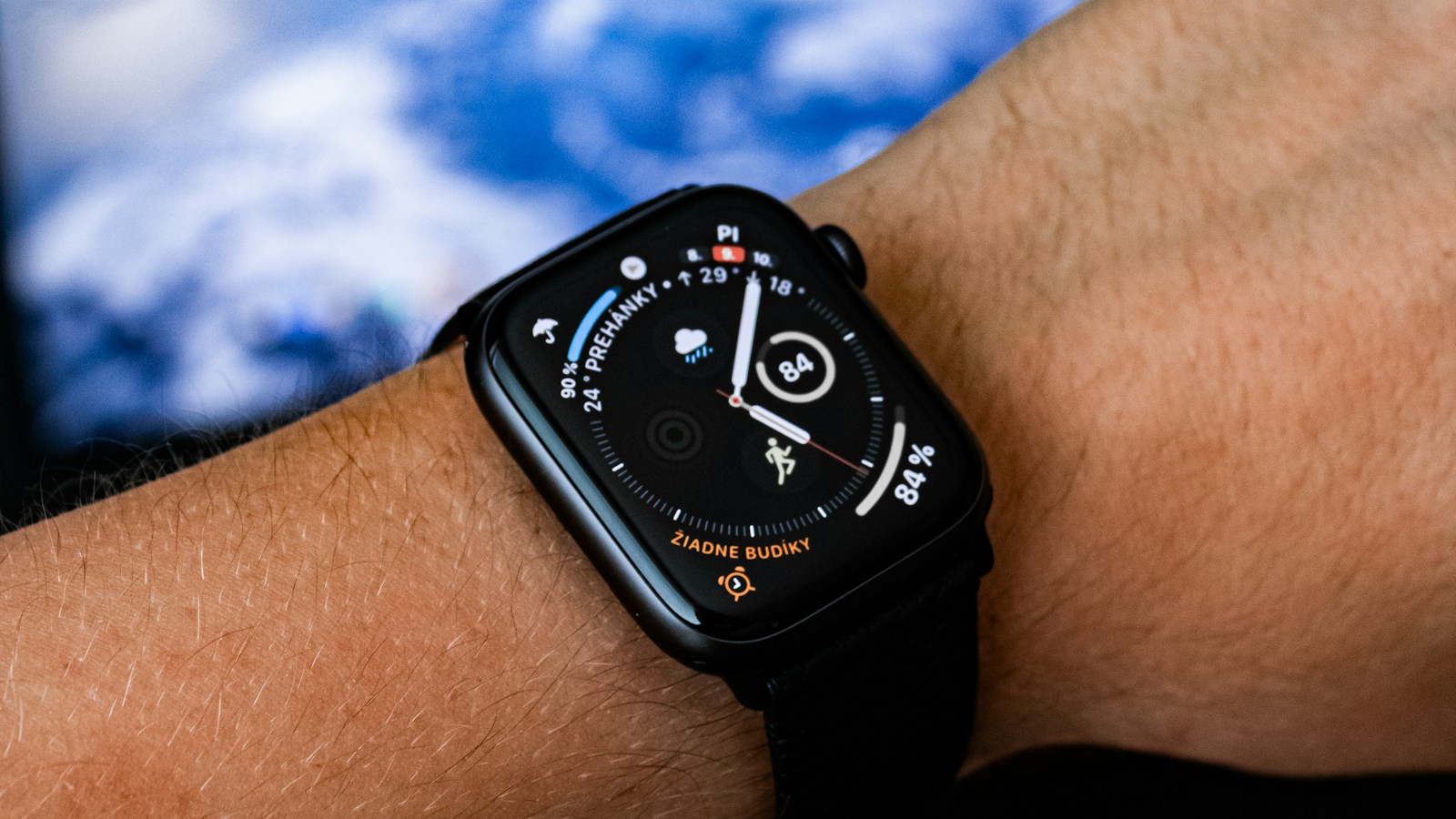
Your Wearable Has a Score. Your Morning Still Needs Observation.
Use wearable sleep and readiness data as context, while keeping symptoms, device limits and clinical questions separate from a daily score.
Read the article ↗
Your Desk Discomfort Needs Observation Before a Theory
Notice workstation discomfort through task design and practical adjustment without diagnosing yourself or interpreting every symptom as nervous-system dysregulation.
Read the article ↗
Accepting Help Without Handing Over Your Decisions
Build practical health support that strengthens your participation, with clear roles for companions, information and decisions.
Read the article ↗
Before the Appointment, Give Your Questions a Place to Land
Prepare for a medical appointment with a clear symptom timeline and prioritized questions, while keeping nervous-system interpretation separate from diagnosis.
Read the article ↗
The Walk Between Two Versions of Your Day
Use an ordinary walk as a deliberate transition between work and home, while keeping movement, reflection and medical claims in their proper context.
Read the article ↗
The Meal After a Difficult Day Carries More Than Hunger
Explore food decisions after stress through context, routine and personal observation, without reducing appetite or health to one nervous-system explanation.
Read the article ↗
Before You Defend Your Position, Examine the Night Before
Consider how inadequate sleep can affect attention and social interpretation without dismissing real disagreements or treating sleep as a universal explanation.
Read the article ↗
Life Before Birth: Care, Connection and a Supportive First Environment
Explore pregnancy through connection, antenatal care and practical support while separating meaningful metaphor from claims about lifelong emotional programming.
Read the article ↗
Fasting, Food Rhythm and the Limits of an Evolutionary Story
Examine fasting research, meal timing, nutritional adequacy and individual safety without treating daily eating as a violation of human biology.
Read the article ↗
Food Patterns and Health: Change the Environment Before the Rule
Explore ultra-processed food research, practical meal choices and food access without confusing processing, frequency or symptoms with automatic harm.
Read the article ↗
Microbiome Foundations: What to Support, Measure and Question
Build microbiome literacy through community function, food variety, appropriate antibiotic use and a careful view of consumer tests and wellness claims.
Read the article ↗
Nervous System Regulation and Mental Health: A Whole-Person Guide
Examine stress responses, daily routines, body-based practices and device claims while recognizing the role of professional mental health care.
Read the article ↗
Spiritual Health: Meaning, Coherence and Care Without Blame
Explore meaning and spiritual support alongside medical care while distinguishing personal experience from disease explanations and treatment claims.
Read the article ↗
The Eating Code: Build a Pattern That Fits Your Real Life
Develop a realistic eating structure through adequacy, food access, meal timing and personal needs without turning every food choice into a diagnosis.
Read the article ↗
Cancer Neuroscience: Nerve Signals, Stress and the Limits of Inference
Understand neuron–tumor research, its clinical limits and why stress support must remain distinct from claims about cancer causation or control.
Read the article ↗
Cancer and Microbiome Ecology: From Biological Links to Patient Decisions
Explore microbial cancer risks, melanoma immunotherapy research and the limits of testing and supplement claims within evidence-based oncology care.
Read the article ↗
Autoimmunity and the Microbiome: What Tolerance Research Can Tell Us
Examine microbial research in autoimmunity, distinguish mechanisms from treatments and keep nutrition, symptoms and disease-specific care connected.
Read the article ↗
The Gut–Brain Axis: Symptoms, Signals and a More Complete Plan
Understand gut–brain interaction, IBS, symptom loops and microbial claims while building a coordinated approach to digestive and mental health concerns.
Read the article ↗
Microbiome Functional Healing: From Ecosystem to Clinical Questions
Explore microbiome support through symptoms, testing limits, nutrition, probiotic evidence and measurable outcomes within coordinated medical care.
Read the article ↗
Recharge: Build Recovery into the Week You Actually Have
Review workload, availability and sleep opportunities to make recovery practical while recognizing when persistent fatigue needs medical assessment.
Read the article ↗
When Rest Leaves You Tired: Take Recovery—and Fatigue—Seriously
Look at the demands that continue during apparent rest while recognizing that persistent fatigue can have medical causes and deserves proper assessment.
Read the article ↗
The Microbiome, Food and the Gut–Brain Conversation: A Careful Reading Guide
Explore microbiome research, food habits and the gut–brain axis while separating established findings, emerging questions and claims that outrun the evidence.
Read the article ↗