
Before the Appointment, Give Your Questions a Place to Land
Prepare for a medical appointment with a clear symptom timeline and prioritized questions, while keeping nervous-system interpretation separate from diagnosis.

IN THIS ARTICLE
Waiting can fill with explanations before the assessment beginsBuild a timeline instead of a verdictPrioritize what you need from the conversationBring an accurate account of what you takeA practical case: the symptom and the feared meaningUse the doctrine to examine the experience of waiting, not diagnose the symptomClarify the next step before leavingAfterward, update the record rather than resume unlimited searchingWaiting can fill with explanations before the assessment begins
A medical appointment is approaching, and your attention moves repeatedly toward what the symptoms might mean. Searching can produce a temporary feeling of control while introducing more possibilities than you can evaluate. In the CyGuru reading, uncertainty can recruit attention into a continuous attempt to reach closure. The task is not to shame that response or insist you become calm before receiving care. It is to give the concern a form that helps the appointment. A clear account of what you have experienced is usually more useful than arriving with a theory you feel compelled to defend. Your questions deserve space, but they should remain questions until appropriate evaluation provides more information.
Build a timeline instead of a verdict
Record the main symptom or concern, when it began, how often it occurs and what has changed. Describe what you can observe without forcing a medical interpretation. Note relevant circumstances, treatments already tried and the effect on ordinary activities. A timeline does not need to contain every sensation experienced during the last several months. Start with what is most important and bring supporting details if needed. This preparation preserves information that can be difficult to recall under pressure. It also helps separate two tasks that anxious searching can mix together: noticing a pattern and deciding its cause. The first is something you can contribute directly; the second may require history, examination, tests or follow-up.
Prioritize what you need from the conversation
The National Institute on Aging recommends preparing and prioritizing concerns for an appointment. Translate that principle into a short list of the issues that matter most to you. These may include the symptom, its impact or uncertainty about a current treatment. Bring the list into the conversation early rather than saving the central concern for the last moment. You can ask which questions can be addressed now and whether another appointment is needed for the rest. Preparation is not a demand that the clinician follow a script regardless of clinical priorities. It gives both of you a clearer view of what must be understood and reduces the risk that the most personally important issue remains unspoken because you were waiting for a perfect opening.
Bring an accurate account of what you take
Prepare a current list of prescription medicines, nonprescription products and supplements, including relevant doses where known. Report changes and uncertainties honestly. The purpose is not to earn approval for your choices; it is to make the information available for assessment. Do not stop or alter prescribed treatment because an online explanation seems persuasive or because you want the appointment to confirm a preferred theory. If you have questions about an effect or interaction, record them and ask. This is particularly important when a broad nervous-system framework has become your main explanation for symptoms. A framework can guide curiosity, but it does not reveal how a medicine is affecting a particular person or whether a different clinical issue requires attention.
A practical case: the symptom and the feared meaning
Imagine someone experiencing recurring tiredness who becomes convinced that the problem must be a failure of regulation. Before the appointment, they could record when the fatigue occurs, changes in sleep, associated symptoms and the activities it prevents. They can also say that they are worried about what it means and explain any routines they have tried. This gives the clinician information without requiring the person to pretend they have no interpretation. The distinction is that the interpretation remains open to revision. Ask what possibilities the clinician is considering, which information matters next and how the follow-up will work. If testing is proposed, clarify how results will be communicated and who to contact with questions. The appointment then becomes a process for reducing uncertainty responsibly, rather than a contest between an internet explanation and professional authority. Neither anxiety nor confidence establishes the cause of the symptom. A more useful contribution is an accurate history and an honest account of what remains unclear.
Use the doctrine to examine the experience of waiting, not diagnose the symptom
CyGuru’s interpretive lens can illuminate the urge to turn an uncertain sensation into a complete life story. It cannot establish whether the sensation is caused by stress, illness, medication or another factor. NIMH distinguishes stress from anxiety and describes when ongoing difficulty warrants professional support. That provides context for discussing distress as part of care, rather than evidence that distress explains everything else. If you have urgent or rapidly worsening symptoms, seek appropriate medical assessment instead of waiting for a scheduled visit merely to preserve a plan. An essay about preparing questions should never become a reason to postpone necessary help or treat a serious concern as a test of your ability to remain regulated.
Clarify the next step before leaving
Ask for an explanation in language you understand. It is reasonable to repeat back the plan and check whether you have understood it. If a decision involves options, ask about the relevant benefits, risks and uncertainties. Note what you should do next, when follow-up is expected and what changes would require earlier contact. A companion may help with notes or recall if you want one and the setting permits it. Their role should support your participation rather than take over automatically. Likewise, language or hearing needs deserve practical accommodation. The aim is a usable plan you can carry into your ordinary life, not the appearance of agreement while important instructions remain unclear.
Afterward, update the record rather than resume unlimited searching
Write down the agreed plan, any unanswered questions and the next contact point. If you later realize you misunderstood something important, seek clarification through the appropriate route. Avoid treating every new search result as a reason to abandon the assessment process or repeatedly test yourself. The deeper Human Codes principle is that agency does not require certainty before action. It can mean participating carefully in a process whose purpose is to establish what is happening. You contribute observations, questions and preferences; qualified care contributes clinical assessment. Keeping those roles distinct allows curiosity and responsibility to work together. The most useful preparation is the one that helps you hear, ask and follow through, even while some uncertainty remains.
Continue the reading path
- The Nicolaev Medicine Manual: Which part of a health framework is an observation, an interpretation or a proposed intervention?
- RECHARGE: What keeps consuming capacity even during the time you call rest?
Sources and further reading
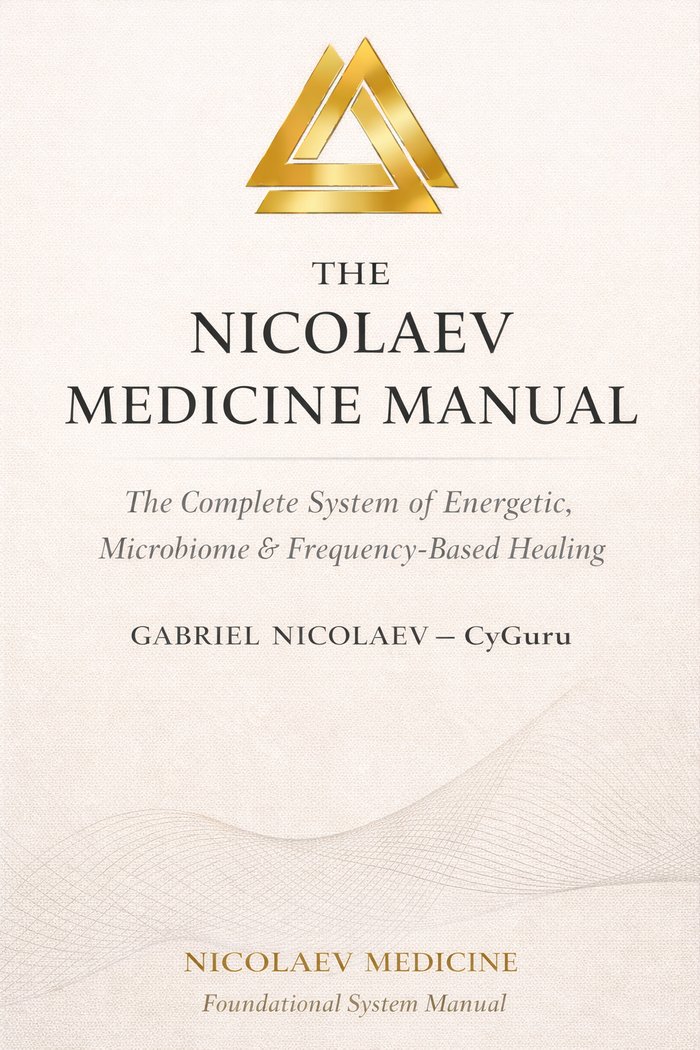
The Nicolaev Medicine Manual
A named health philosophy deserves to be examined on its own terms and against reliable evidence. This manual is the natural entry point for readers seeking to understand what the author means by Nicolaev Medicine.
View & order on CYGURU.com ↗