
The Deadline Is Tomorrow. Why Are You Deciding as if It Were Now?
Examine deadline pressure through the CyGuru nervous-system lens and build a decision window that separates real time limits from internal urgency.

IN THIS ARTICLE
The body can accelerate before the clock requires itUrgency offers relief before it offers accuracyDescribe the deadline in observable termsCreate a decision window that contains actual workA decision window should produce a different kind of answerRead the mechanism without turning a metaphor into a diagnosisMeasure the commitment after the pressure has passedGive speed a defined jobThe body can accelerate before the clock requires it
An email arrives at ten in the morning. The answer is due tomorrow. Within minutes you are drafting a commitment, abandoning another task and imagining the consequences of hesitation. Nothing in the actual deadline requires that speed. The acceleration belongs to your response to the situation. In the CyGuru reading of human behavior, that distinction matters: the felt demand to finish can begin governing the decision before the decision has been understood. The problem is not that you feel pressure. It is that pressure quietly becomes your estimate of available time.
Urgency offers relief before it offers accuracy
A quick answer can end the discomfort of an unanswered request. That immediate relief is a real consequence, but it is different from choosing well. You might accept a price before checking costs, promise a delivery before checking capacity or agree to a meeting that displaces essential work. The response works beautifully if its hidden objective is to stop feeling exposed. It may work poorly if the objective is to protect your future obligations. Ask what the action would settle: the external problem, the internal discomfort, or both. Keeping those objectives distinct makes the choice easier to assess.
Describe the deadline in observable terms
Write down who needs what, by when, and what happens if the answer is delayed. A genuine operational deadline usually has an identifiable dependency. Someone must book transport, allocate staff or complete a transaction. A vague demand to reply immediately may have a different basis. This does not mean you should challenge every request or assume manipulation. It means that an accurate description of the constraint should precede your surrender to it. If the requirement is unclear, ask a narrow question about timing instead of inventing a catastrophe to fill the information gap.
Create a decision window that contains actual work
A pause is useful when it has a task inside it. Set a time to review the relevant facts, identify the commitment you would be making and check the consequence you would have to carry. Tell the other person when they can expect an answer. That communication keeps the pause from becoming silent avoidance. For a reversible, low-cost decision, the window may be brief. For an agreement that consumes money or several weeks of work, it should be proportionate. Regulation here means restoring room for judgment, not making every decision slow.
A decision window should produce a different kind of answer
Consider a freelance designer asked to accept a fixed fee for an undefined set of revisions. The request arrives with an assurance that the work is simple and a suggestion that someone else can take it if confirmation is slow. An immediate yes may preserve the opportunity while leaving the real commitment unknown. A useful pause would establish the deliverables, revision limit, approval process and payment terms. These details are not decorations added after the emotional work; they are the decision itself. If clarification causes the offer to disappear, that is information about the conditions under which the opportunity existed. The designer may still choose to accept uncertainty, but can now name it rather than disguising it as confidence. In this example, the practical result of regulation is not simply a lower pulse. It is a proposal whose consequences can be understood. Conversely, if the designer spends the pause rehearsing rejection without asking a single question, the extra time has not performed the needed work. Evaluate the interval by what became clearer, not by how convincingly you can describe the importance of taking a breath.
Read the mechanism without turning a metaphor into a diagnosis
Stress has bodily and psychological dimensions; NIMH describes it as a response to an external cause. Sleep deficiency can also interfere with attention and reactions, according to NHLBI. Those established observations support taking your condition seriously. They do not prove that a particular email activates one universal biological script, or that every rushed answer comes from trauma. The doctrine provides a way to examine the sequence between pressure and commitment. It should sharpen observation rather than replace the evidence needed to explain an individual person.
Measure the commitment after the pressure has passed
The useful review takes place after you have answered. Did the decision depend on information you actually checked? Did you make a promise that your ordinary schedule can support? What would you have chosen if another person had not been watching? These questions reveal whether the pause improved the decision or merely decorated the same impulse. A calmer feeling alone is an incomplete measure. Sometimes a responsible answer remains uncomfortable because it disappoints someone, costs an opportunity or requires admitting a limitation. Good judgment must be able to survive that discomfort.
Give speed a defined job
Choose one recurring decision this week and specify the response time you genuinely need. Prepare a sentence that protects that interval: I will review the scope and confirm by tomorrow afternoon. Then use the time to perform the review. When a true emergency requires immediate action, act within the facts available and revisit assumptions as information changes. The objective is not to become a person who never moves quickly. It is to stop allowing the desire for immediate relief to decide when speed is necessary, and what future obligations you are willing to accept.
Continue the reading path
- THE NERVOUS SYSTEM CODE: What changes in your behavior when the same situation feels safe rather than threatening?
- DECISION: What cost are you paying to keep this choice undecided?
Sources and further reading
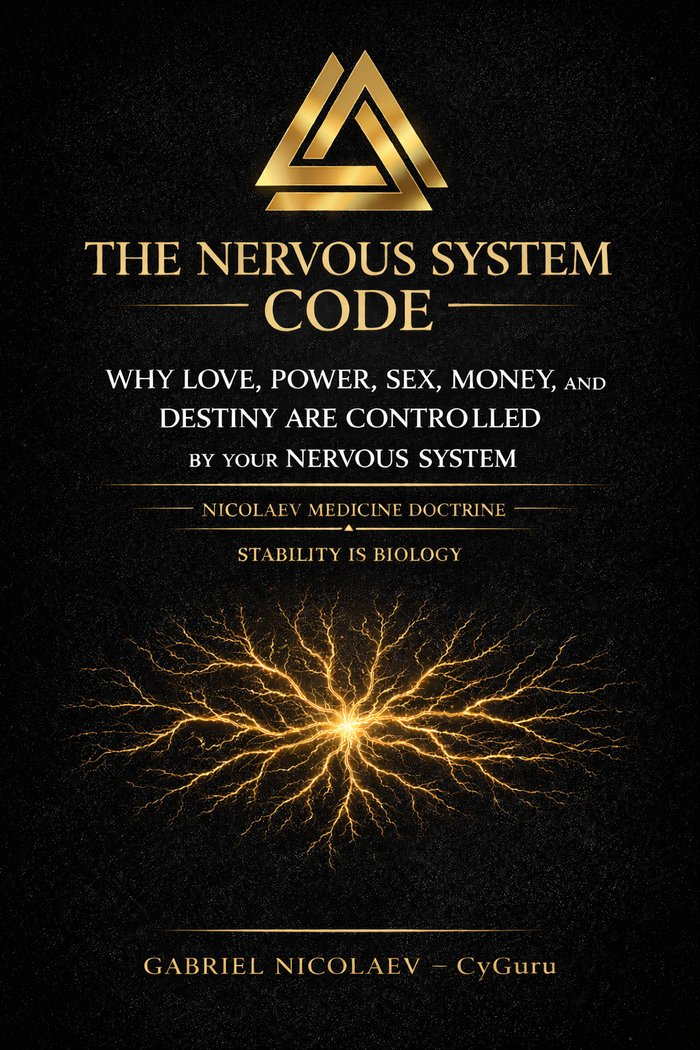
THE NERVOUS SYSTEM CODE
Why can a person understand a pattern clearly and still repeat it when a situation becomes difficult? This book is a starting point for readers drawn to the author’s regulation-centered interpretation of human behavior.
View & order on CYGURU.com ↗