
Why Your Free Day Feels Like a Collapse
Explore the transition from a demanding week to unstructured time, distinguishing recovery needs, avoidance and persistent fatigue that deserves attention.

IN THIS ARTICLE
The calendar opens and your energy disappearsA missing demand is not the same as available capacityMake a transition instead of demanding an instant transformationDistinguish rest from disappearing into stimulationPlan the first hour without colonizing the whole dayDo not explain every symptom with the working weekMove some recovery into the days that create the demandRecover a choice rather than prove a new identityThe calendar opens and your energy disappears
For five days you meet deadlines, answer messages and keep other people moving. On Saturday the structure disappears and you struggle to begin anything. It is tempting to conclude that you function only under pressure, or that you are secretly lazy when nobody demands performance. Another possibility deserves examination: the week has been organized around output with little space to notice its cost. When the demands stop, the fatigue becomes harder to overlook. The CyGuru perspective asks what your working rhythm has been supporting, and what it has been borrowing from the time that follows.
A missing demand is not the same as available capacity
An empty calendar describes obligations. It does not measure energy, attention or the need for sleep. You can have eight free hours and limited capacity to use them in the way you imagined. Planning a spectacular recovery day may add another performance standard to the same exhausted system. Before deciding how much you should accomplish, notice what the previous days contained: late nights, irregular meals, conflict, continuous switching or unusually heavy physical work. These are conditions to examine, not an excuse to abandon responsibility. The distinction is between planning from a wish and planning from the situation you actually have.
Make a transition instead of demanding an instant transformation
A practical transition can be modest: finish one administrative task, put work materials away and choose a simple next activity. The value lies in making the change in context visible. If every unfinished obligation remains open on the phone, free time may continue to carry the atmosphere of work. Some people find a walk, a meal or a short conversation useful at this boundary. None is a guaranteed nervous-system reset. The question is whether the activity helps you leave one mode of attention and enter another without adding a new requirement to perform perfectly.
Distinguish rest from disappearing into stimulation
Two hours on a screen may feel easier than choosing a restorative activity because the screen supplies the next cue. That ease does not tell you whether you feel more recovered afterward. Observe the result without moralizing about leisure. Entertainment can be enjoyable and entirely appropriate; it becomes worth reconsidering when it repeatedly consumes the time you wanted for sleep, movement or connection. In the doctrine’s terms, a familiar state can become the default simply because it requires no deliberate transition. Give yourself alternatives that are easy enough to begin when you are already tired.
Plan the first hour without colonizing the whole day
Imagine someone who schedules exercise, shopping, cleaning and social time for the first morning after an intense working week. When none begins promptly, the whole day is declared lost. The schedule has converted free time into a crowded examination. A more informative experiment would protect one necessary task and leave genuine room around it. Eat, complete the task and assess capacity before deciding the next activity. If energy remains low, that observation can guide the rest of the day or a conversation about persistent fatigue. If energy returns, choose what matters rather than urgently filling the space to recover a sense of worth. This approach does not glorify inactivity. It refuses to assume that exhaustion is best addressed by escalating expectations. Ask afterward whether the simplified start made the day more usable, whether you actually rested and whether a weekday condition needs to change. The result should be evidence about your rhythm, not another rigid rule that everyone must spend Saturday in the same way. Recovery becomes easier to study when the experiment does not punish every outcome except maximum productivity.
Do not explain every symptom with the working week
Persistent exhaustion is not something to diagnose from an essay about regulation. Sleep problems, illness, medication effects, mental health difficulties and many other factors can contribute. NHLBI describes sleep deficiency as broader than simply sleeping too few hours, including poor timing or quality and sleep disorders. If fatigue persists, changes substantially or interferes with daily functioning, qualified assessment may be more useful than another productivity theory. A nervous-system lens earns its place by broadening the inquiry, not by claiming exclusive authority over the cause.
Move some recovery into the days that create the demand
A weekend cannot reliably compensate for a schedule that recreates the same strain every night. Examine one weekday condition you can alter: the last time you check work messages, the number of meetings without a break, or the habit of starting tomorrow’s tasks after dinner. Choose a change small enough to repeat and observe its effect over several weeks. The test is not whether you have discovered an ideal routine. It is whether the week leaves less unattended recovery to be carried by the first day without external demands.
Recover a choice rather than prove a new identity
Start the free day with one necessary action, one enjoyable possibility and permission to revise the plan. This gives time a shape without recreating the working week. If you rest, let the rest have a beginning and an end you can recognize. If you act, choose something proportionate to your capacity. The deeper shift is away from using activity as proof that you are worthwhile. A life with direction contains periods of effort and periods in which effort is not the main task. Learning the transition between them is part of making that direction sustainable.
Continue the reading path
- From Urgency To Flow: Which task feels urgent mainly because it has never been clearly defined?
- RECHARGE: What keeps consuming capacity even during the time you call rest?
Sources and further reading
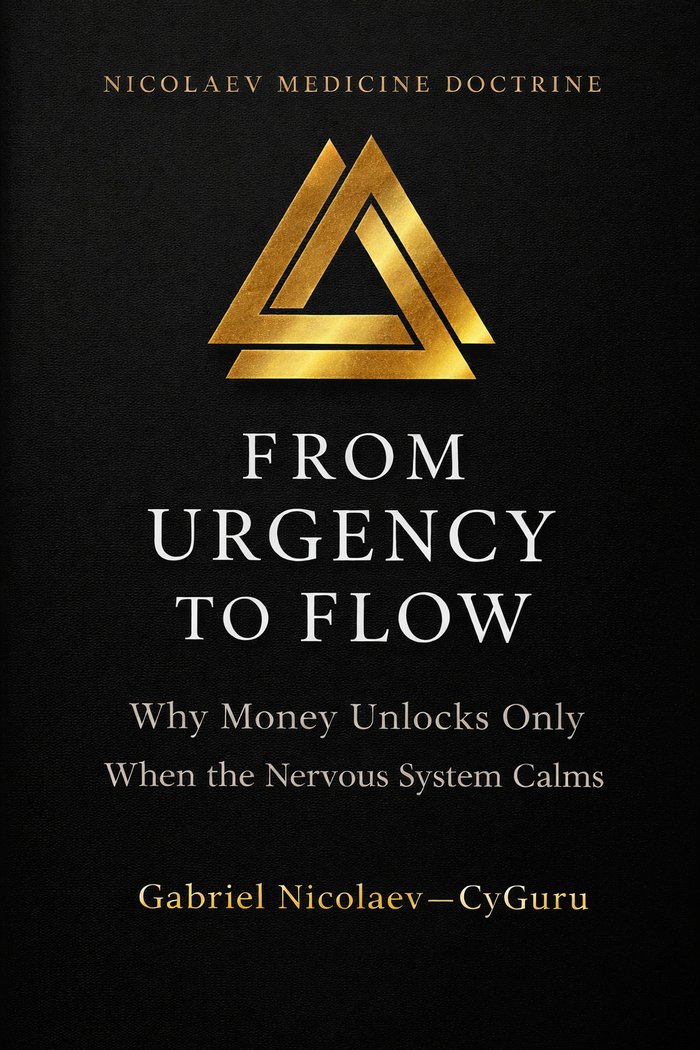
From Urgency To Flow
Urgency can keep a person moving while making it difficult to choose a direction. This title opens a conversation about pace, attention and the difference between necessary speed and a habitual sense of being late.
View & order on CYGURU.com ↗