
Position Size Is Not a Test of Your Courage
Examine the psychological meaning attached to position size, distinguish discomfort from market evidence and keep risk decisions inside a defined trading process.

IN THIS ARTICLE
The trade can become a judgment about the traderConfidence does not change the consequence of being wrongWrite the risk decision before the persuasive momentBodily discomfort is information about experience, not directionUse a counterfactual that tests the motive, not the marketA profitable breach can teach the wrong lessonReduce the need for the market to repair your identityLet discipline remain ordinaryThe trade can become a judgment about the trader
A setup appears and you know the intended risk. Then the thought arrives: if I really believed in the analysis, I would trade larger. Position size has become a statement about conviction. A smaller trade starts to feel like fear, and a larger trade like proof of identity. The CyGuru perspective asks you to notice that change of subject. You began evaluating a market decision and ended evaluating yourself. Once courage becomes the issue, evidence about invalidation, loss tolerance and process can be displaced by the need to feel like the person you want to be.
Confidence does not change the consequence of being wrong
A persuasive analysis can fail. A hesitant analysis can coincide with a profitable move. Neither result establishes a reliable relation between emotional certainty and appropriate exposure. Size determines how a price movement translates into financial consequence; it does not certify the quality of your judgment. Before considering an order, understand the instrument, costs, leverage and the loss your plan permits. This article offers a perspective on behavior, not a recommended exposure or a signal. Any financial commitment requires its own assessment, including the possibility that the most responsible choice is no trade.
Write the risk decision before the persuasive moment
A trading plan should define how risk is determined and what conditions prevent entry. The details depend on the strategy and circumstances; a general essay cannot supply them. The practical point is that the rule should exist before a compelling chart invites you to rewrite it. Record the intended entry logic, invalidation and exposure, then compare the actual action with the record. If you change the plan, explain the factual reason. I wanted to prove conviction is a different explanation from the conditions of the strategy have changed in a documented, permitted way.
Bodily discomfort is information about experience, not direction
A racing pulse or tight chest does not tell you whether gold will rise or fall. It may indicate that the situation feels significant, that the exposure is hard to tolerate or that something unrelated is affecting you. Do not turn a sensation into a market indicator without evidence. If symptoms are severe, new or concerning, seek appropriate care rather than interpreting them solely through trading psychology. The doctrine is useful when it encourages observation of the person making the decision. It becomes dangerous when the person’s internal state is treated as privileged knowledge about the market.
Use a counterfactual that tests the motive, not the market
Before an order, ask whether you would accept the same exposure if nobody could see the result and it did nothing to repair a recent loss. This cannot determine whether the trade is valid. It can expose a motive that was being described as strategy. If the answer changes, return to the written process and the conditions that govern participation. Afterward, record any discrepancy without making the entry a moral confession. A journal is useful because it makes patterns visible across decisions, not because it proves that a trader has become emotionally pure. Some uncertainty and tension may remain even when the process is followed. Conversely, a reckless decision may feel unusually calm. That is why subjective state cannot become the sole gatekeeper. Combine personal readiness with the independent requirements of the method and its risk controls. If those requirements are missing or untested, no amount of internal regulation can supply the evidence. The doctrine’s contribution is to protect the distinction between the person who wants a result and the process used to judge whether participation is justified.
A profitable breach can teach the wrong lesson
Suppose you exceed your planned size and the trade wins. The financial outcome may reward conduct that increases the chance of unacceptable losses later. Review the rule breach separately from the profit. Likewise, a correctly executed losing trade may remain consistent with a tested strategy. This distinction requires accurate records; memory tends to preserve the story that protects confidence. Note the original plan, actual exposure and reason for any deviation. Over time, evaluate a sufficient body of results rather than using one emotionally memorable winner as proof that your impulses understand the market better than your process.
Reduce the need for the market to repair your identity
If a trade must recover a recent loss, prove your intelligence or provide relief from financial pressure, it is carrying several objectives beyond the strategy. Name those demands before taking action. A checklist can ask whether the setup meets the plan, whether risk is permitted and whether any rule is being altered for personal reasons. It should not promise that answering correctly produces profit. Its purpose is to make the decision inspectable. You may still feel disappointed when a move occurs without you, but disappointment does not create an obligation to participate.
Let discipline remain ordinary
You do not need a dramatic emotional transformation before every order. You need a process whose requirements you can recognize and whose limits you can follow. Stress and inadequate sleep can affect functioning; that general fact supports including readiness in the routine without pretending readiness eliminates market risk. In the Human Codes reading, trading authority includes the ability to remain the same person after an opportunity is declined. A position is an exposure to a financial outcome, not an examination in personal courage. Keeping that distinction intact may protect the process even when it does nothing to make the next price move more predictable.
Continue the reading path
- Before You Click — Gold Trading Psychology & Nervous System Regulation: What would make you leave a convincing setup untouched?
- THE GOLD TRADER’S CODE: Which trading rules can you describe without referring to the result?
Sources and further reading
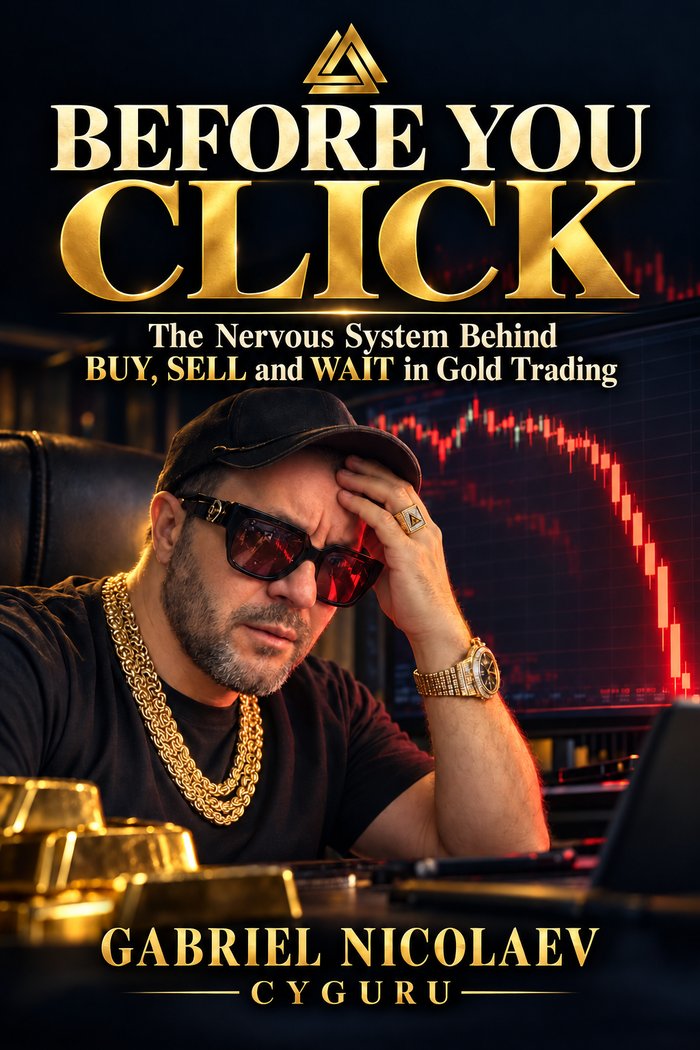
Before You Click — Gold Trading Psychology & Nervous System Regulation
The most expensive trading decisions can happen before an order reaches the market. This reading starts with the interval between seeing a setup and committing capital, where urgency can quietly replace a plan.
View & order on CYGURU.com ↗