
The Most Expensive Concession May Be the One That Makes You Feel Better
Read negotiation pressure through the CyGuru nervous-system lens: distinguish a useful concession from an agreement made mainly to end discomfort.

IN THIS ARTICLE
An agreement can be emotionally attractive before it is commercially soundKnow what the concession actually transfersPrepare your limits before the atmosphere becomes persuasiveSilence does not obligate you to improve the offerCompare the offer with the arrangement you will have to deliverExchange a concession for a defined changeReview your condition without pretending it decides the answerMeasure the agreement in the week that followsAn agreement can be emotionally attractive before it is commercially sound
The other person repeats their demand and the room becomes quiet. You lower the price, extend the deadline or accept another condition. Conversation resumes and you feel relief. That relief can make the concession appear wise before you examine what it cost. In a CyGuru reading, the question is not whether negotiation should feel comfortable. It is whether your process distinguishes an improvement in the agreement from an improvement in your immediate emotional state. The two may occur together. They may also pull in opposite directions, especially when you are eager to be seen as reasonable.
Know what the concession actually transfers
A lower fee transfers revenue. A wider scope transfers work. A longer payment term transfers financing pressure. An informal promise can transfer uncertainty to the person who must later deliver. Name the transfer before evaluating the gesture. Some concessions are worthwhile because they secure something more valuable in return; others merely hide the cost in a part of the arrangement nobody has discussed. The negotiation becomes clearer when you can say what changes, who carries the change and what consideration accompanies it. Good manners are compatible with that clarity. They do not require you to subsidize ambiguity.
Prepare your limits before the atmosphere becomes persuasive
Identify the minimum terms you can responsibly accept and the issues on which you have flexibility. Consider capacity, costs and alternatives, using appropriate advice for consequential agreements. This preparation cannot predict every turn, but it reduces the number of essential decisions made in reaction to another person’s tone. If a proposal changes the scope substantially, you can return to the figures before answering. A limit created only in the room may become an expression of the room’s pressure. A limit connected to the actual work gives your response a basis that can be explained and reviewed.
Silence does not obligate you to improve the offer
A pause can be used strategically, but it can also mean that someone is thinking. Avoid assigning a motive before you have evidence. More importantly, do not treat silence as a debt you must repay with a concession. Restate the proposal if needed, ask a relevant question and allow time for an answer. The nervous-system perspective is useful when it draws attention to your urge to fill the gap. It is not useful when it turns the other person into a biological adversary whose hidden state you imagine you can read from a gesture.
Compare the offer with the arrangement you will have to deliver
Imagine a client offering a lower fee in exchange for a promised long-term relationship. The possibility may be valuable, but an undefined future is not identical to a contracted commitment. You can ask what work is actually being ordered now and which future terms, if any, can be made explicit. If none can, assess the current project on that basis. You might still accept a lower fee for a strategic reason, but record the reason and the limit rather than treating hope as guaranteed compensation. Ask also what happens if the relationship does not continue. Can you carry the present arrangement without resentment or financial strain beyond what you deliberately accepted? This keeps goodwill inside reality. The nervous-system perspective adds a question about your response to being wanted, pressured or flattered. It does not replace the commercial assessment. A sound negotiation allows both layers to be examined without confusing an emotionally compelling possibility with a return the other party has actually agreed to provide.
Exchange a concession for a defined change
If you agree to adjust one term, connect it to a concrete corresponding condition where appropriate: reduced scope, an earlier payment or a different delivery arrangement. The exact trade depends on the transaction. What matters is that the change has a commercial structure rather than existing only as proof of goodwill. Put the resulting terms into the form needed for the agreement, and ensure both parties understand them. A friendly conversation can coexist with different memories. Written clarity gives the relationship a reference point after the atmosphere that produced the agreement has disappeared.
Review your condition without pretending it decides the answer
A long day, financial pressure or lack of sleep may influence how quickly you seek closure. NIMH and NHLBI provide general reasons to take stress and sleep seriously. Neither source can establish whether a particular deal is good. That judgment still requires facts about the transaction. If your situation makes walking away difficult, acknowledge the constraint rather than performing confidence you do not possess. You may need a smaller commitment, more information or professional advice. Recognizing pressure should improve your process; it should not become a new story that excuses ignoring an unfavorable contract.
Measure the agreement in the week that follows
Afterward, compare what you accepted with what you intended to protect. Did the concession create a return you can identify? Are the new obligations workable? Did you give away something important primarily to stop feeling judged? Use the answers to refine the next negotiation. Within the Human Codes approach, authority over money includes authority over the conditions under which you commit it. The most mature outcome is not winning every point. It is reaching terms you understand, can carry and can still defend when the relief of having an agreement is no longer doing the thinking for you.
Continue the reading path
- THE 33 LAWS OF MONEY: Which money principle survives when your circumstances become less comfortable?
- DECISION: What cost are you paying to keep this choice undecided?
Sources and further reading
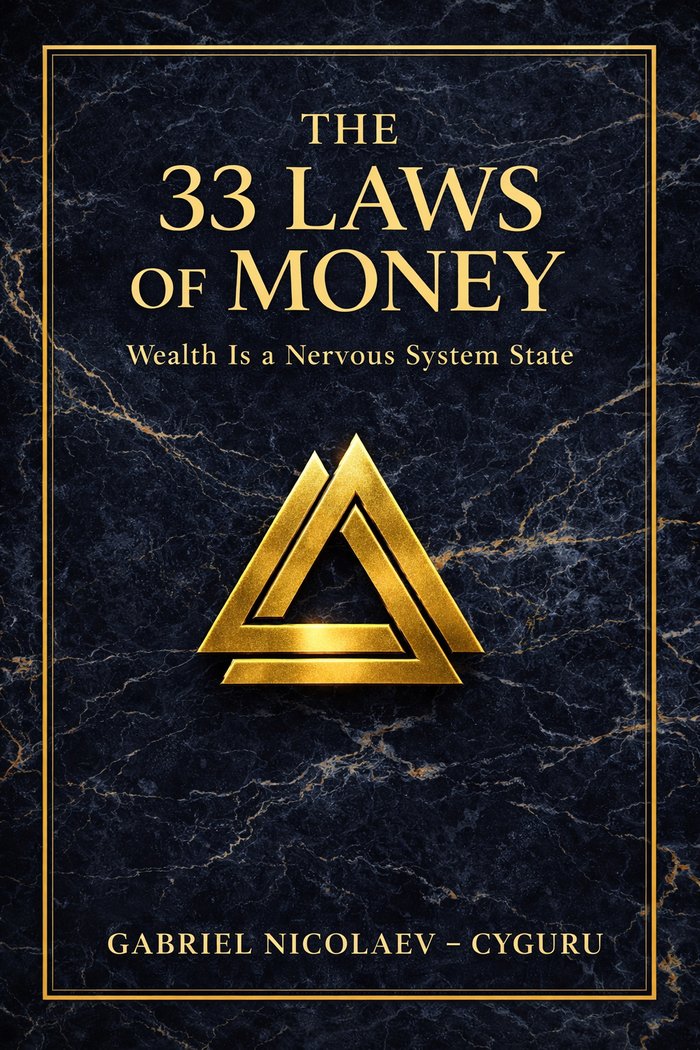
THE 33 LAWS OF MONEY
Money rules are most useful when they make trade-offs visible. This title brings the reader toward the principles behind earning, spending and keeping resources, rather than the appeal of a single financial shortcut.
View & order on CYGURU.com ↗