
The Bill You Avoid Still Organizes Your Day
Examine financial avoidance through facts, bounded review and practical next actions, separating money problems from the pressure of leaving them undefined.

IN THIS ARTICLE
Unopened information can remain psychologically activeDo not confuse a behavioral pattern with the cause of debtMake the first review narrow enough to completeCreate one source of truthSeparate information gathering from payment decisionsChoose the next action without purchasing emotional reliefUse support to increase clarity, not hide the figuresReturn before the next crisis demands itUnopened information can remain psychologically active
A bill sits in your inbox. You know it is there and postpone opening it until you feel more prepared. The avoidance may protect you from an immediate surge of discomfort, yet the obligation remains part of the day. It appears while you work, shop or try to rest. Within the CyGuru perspective, this is a useful example of a problem whose definition has been deferred while its influence continues. The amount, deadline and available options remain uncertain, allowing imagination to supply a burden that may be smaller, larger or simply different from the actual facts.
Do not confuse a behavioral pattern with the cause of debt
Some people avoid financial information because it is distressing. Others are dealing with inadequate income, illness, disputed charges or obligations they cannot currently meet. Calling the problem mental can become insulting if it erases those constraints. A responsible reading keeps the numbers and the experience around them together. The CFPB frames financial well-being around security and freedom of choice, which recognizes more than account balances alone. That does not mean an attitude can create missing resources. It means that an accurate plan should consider both material conditions and the ways a person is able to respond to them.
Make the first review narrow enough to complete
Set aside a limited period to identify the creditor, amount, due date and any immediate consequence described in the notice. Do not require yourself to solve the whole financial future in the same sitting. If a charge is unclear, record the question and the appropriate contact route. Check that the notice is legitimate before supplying information or making payment. This bounded review replaces a vague threat with a defined task. Its success is not measured by whether you feel comfortable afterward; it is measured by whether you know what the obligation says and what needs verification.
Create one source of truth
Scattered emails, remembered promises and screenshots can turn financial administration into repeated rediscovery. Maintain a simple record of obligations and their current status. Distinguish confirmed amounts from estimates and active agreements from proposals you have not received in writing. A record should reduce the number of times you have to reconstruct the situation while distressed. It is not a judgment about your worth. If you need help understanding terms, seek appropriate financial or legal guidance for your circumstances. The doctrine can illuminate avoidance, but it cannot substitute for expertise about contracts, interest or local procedures.
Separate information gathering from payment decisions
A bounded review might end with three verified notices, one disputed amount and two dates requiring follow-up. That can count as completed work even if no payment is made during the session. The next task is to assess options with accurate information, not to erase the emotional discomfort by paying whichever message feels loudest. Essential living costs, contractual terms and consequences may need careful consideration. Appropriate advisers can help where the situation is complex. The record should show which facts are confirmed and which are still being checked, so estimates do not harden into unquestioned obligations. If a creditor proposes an arrangement, preserve the proposal and review whether it is affordable before promising. This example illustrates why financial avoidance is not solved merely by becoming brave enough to open an email. Opening is the beginning of a process that should improve the quality of the next commitment. Courage without a method can move a person from avoidance into an equally unhelpful rush. The useful change is the ability to remain with the facts long enough to decide what the next responsible action actually is.
Choose the next action without purchasing emotional relief
A payment, promise or new loan may reduce immediate pressure while worsening the overall position. Before committing, examine affordability, competing necessities and the terms you would accept. Avoid promising a date solely because the person requesting it sounds urgent. A realistic conversation about options may be more responsible than a confident commitment you cannot support. Equally, silence can remove opportunities to clarify or negotiate. The practical task is to communicate from verified information and a plan you can carry, rather than allowing either panic or avoidance to write the next agreement.
Use support to increase clarity, not hide the figures
If financial administration repeatedly overwhelms you, a trusted person or qualified adviser may help you organize the review. Agree on their role and protect sensitive information. Support should make it easier for you to understand the position, not create a new dependency in which someone else knows the facts and you remain in the dark. NIMH notes that persistent stress can interfere with daily life; that is a reason to take the burden seriously. It is not evidence that a financial difficulty can be resolved through relaxation alone or that distress makes you incapable of responsible participation.
Return before the next crisis demands it
Schedule a short follow-up and keep the record current. Track actions completed, replies received and dates that have changed. The aim is to stop using alarm as the only trigger for administration. You may still face a difficult shortage, but a difficult known position is different from an undefined position that repeatedly surprises you. In this reading of the Human Codes, agency begins with the ability to remain present to facts that do not flatter you. That presence does not guarantee an easy outcome. It makes a workable response more possible than the temporary relief of another unopened message.
Continue the reading path
- Why It’s So Hard to Escape Debt: Which part of the debt cycle is a cash-flow problem and which part is a recurring decision?
- THE DEBT TRAP IS MENTAL: Which financial decision are you postponing because looking at it creates discomfort?
Sources and further reading
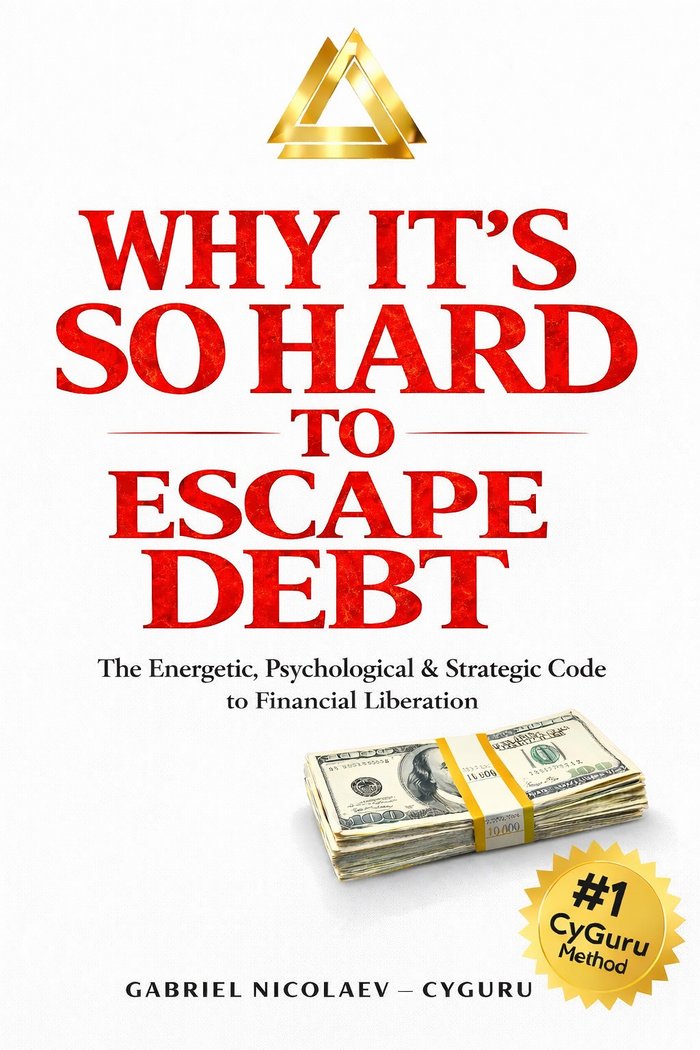
Why It’s So Hard to Escape Debt
Leaving debt can require changing a sequence of decisions while obligations continue to arrive. This title gives attention to the persistence of the problem: how pressure, incomplete information and recurring choices can make an exit difficult to sustain.
View & order on CYGURU.com ↗