
The Price Looks Precise. When Was It Actually Observed?
Check the timestamp, instrument and source behind a market quote before treating an old observation or delayed display as evidence of a current move.
IN THIS ARTICLE
A decimal place can create more confidence than the source deservesName the instrument before comparing the figuresRead the provider’s explanation of timeTime zones can make two correct records look contradictoryThe screenshot can arrive later than the information it containsA current observation still does not promise an execution priceDo not let urgency turn a verification step into an insultKeep the uncertainty inside the recordA decimal place can create more confidence than the source deserves
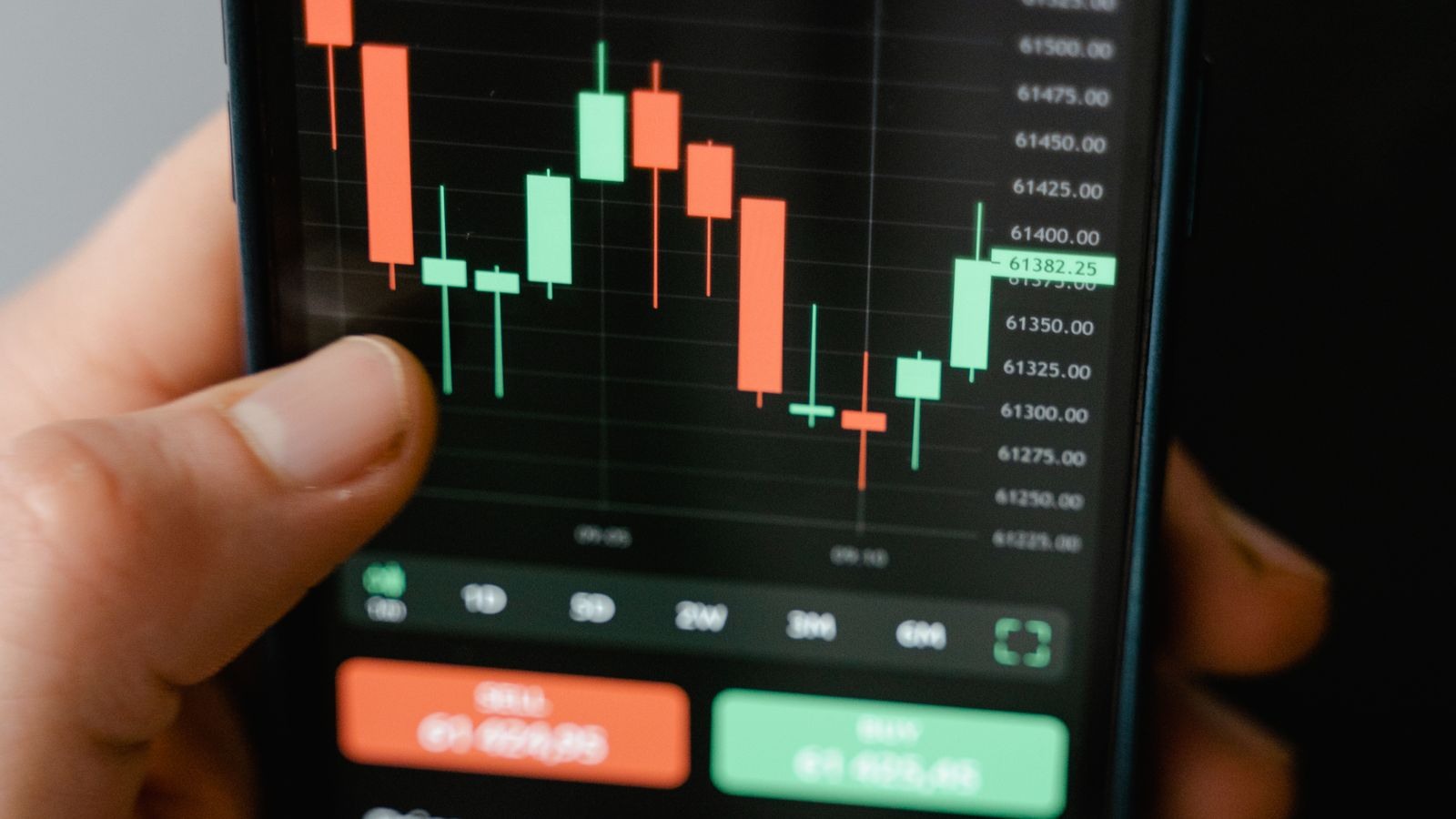
A market price appears on your phone with several decimal places. Beside it, a chart seems to show a sharp change. You begin explaining what the move means before noticing that one display has not updated. The number looks exact, but exact formatting is not evidence of current information. In the CyGuru reading, this is a useful place to interrupt the story before it becomes a financial instruction. Ask when the observation was made, what instrument it represents and how the provider describes the feed. An old number can be accurate about an earlier moment and unsuitable for the question you are asking now. The mistake is not always a false price. It can be a true observation placed into the wrong present.
Name the instrument before comparing the figures
Gold information may refer to different products, contracts, currencies, units or provider-defined prices. Do not assume that two screens showing the word gold are displaying the same thing. Identify the exact symbol, contract where relevant, unit and currency. Also distinguish a last traded price from a bid, an offer or an indicative figure. The point is not to teach a complete market-data specification in one paragraph. It is to prevent an unexplained difference from immediately becoming a dramatic market event. A contract specification or provider explanation can answer questions a screenshot cannot. If you do not understand what a field represents, keep that uncertainty visible. A comparison becomes meaningful only after you know which differences arise from the market and which arise from comparing unlike observations.
Read the provider’s explanation of time
CME Group states that prices on its public quote pages are delayed by at least ten minutes and describes the website data as reference information. That statement concerns its website, not every application, broker or gold product. Use the particular provider’s current documentation for the particular feed in front of you. A label such as live, streaming or real time needs a defined meaning rather than automatic trust. Check whether the displayed time represents an observation, an update, a session or a page refresh. Those events need not be identical. A browser that refreshed just now may still be showing an earlier observation. The practical task is to understand the information sufficiently to know which question it can answer, rather than allowing a recent-looking page to supply authority the underlying data does not have.
Time zones can make two correct records look contradictory
One display uses your local time, another the exchange’s convention and a third a UTC timestamp. A difference in their labels can look like missing or duplicated information if you compare the numbers without their time zones. Record the relevant convention when reviewing an event. Where a provider uses a session date rather than a calendar date, consult the explanation instead of assuming the label must be an error. This article does not prescribe the trading hours of any venue. Its concern is the discipline of keeping a timestamp attached to what it describes. You can investigate a surprising move more accurately when the event, the observation and the display are no longer treated as though they occurred at the same instant simply because they share a row on your screen.
The screenshot can arrive later than the information it contains
Imagine a friend sending a chart during a busy afternoon. The message is new, so you experience the chart as new. You discuss the apparent breakout without checking when the image was captured. Later you discover it describes an earlier part of the session. The friend may have acted in good faith; the problem is that the delivery time replaced the observation time. Before interpreting shared material, ask for the source, timestamp and relevant context. If these are unavailable, limit the claim accordingly. A screenshot can help illustrate a question without proving the current state of a market. There is no need to accuse the sender of deception in order to recognize that the image is incomplete evidence for a decision carrying actual financial consequences.
A current observation still does not promise an execution price
Even after establishing that a quote is current for its stated source, do not assume an order will necessarily execute at the displayed number. Investor.gov explains this distinction in the context of US stock-order execution, where transmission and market changes can affect the price received. That source does not define the execution arrangements of every gold venue or product. Read the relevant provider’s terms and understand the order involved. The broader educational point is to keep observation and execution separate. Knowing what a screen showed is not the same as knowing what a transaction would obtain. Better data hygiene supports a clearer investigation; it does not eliminate trading risk or supply a guarantee that a correctly informed action will produce a profit.
Do not let urgency turn a verification step into an insult
When a market appears to be moving quickly, checking basic information can feel embarrassingly slow. You may interpret the need to verify as proof that you are inexperienced. CyGuru nervous-system doctrine offers an interpretive question about that pressure: what are you trying to preserve by skipping the step? It is not a biological explanation of every rushed trade or a promise that calmness makes analysis correct. The visible behavior is simpler. A person is considering a consequential action while key facts about the input remain unclear. You can acknowledge the discomfort without giving it permission to fill those gaps. Competence includes knowing which part of a process has not yet been established, even when a confident story about the market is already available to tell.
Keep the uncertainty inside the record
When reviewing a market decision, preserve the source, instrument and relevant timestamp alongside the information used. If a feed stalled or a screenshot was old, record that finding rather than quietly rewriting the analysis as if the current data had been visible all along. Distinguish what you knew then from what you learned later. A useful review may reveal a technical issue, a misunderstanding of a field or an assumption that needs correcting. It may also leave the market interpretation uncertain. That is acceptable. The aim is a record that permits learning without pretending a cleaner process can remove every loss. A price deserves a place in your reasoning only with the context that makes it the right observation for the question being considered.
Continue the reading path
- THE GOLD TRADER’S CODE: Which trading rules can you describe without referring to the result?
- Before You Click — Gold Trading Psychology & Nervous System Regulation: What would make you leave a convincing setup untouched?
Sources and further reading
THE GOLD TRADER’S CODE
A trading rule earns its place when it changes a decision under pressure. The Gold Trader’s Code offers a starting point for thinking about the relationship between written rules, market observations and repeatable execution.
View & order on CYGURU.com ↗