
Your Words Can Commit You Before Your Judgment Arrives
Examine automatic promises, inflated declarations and vague agreement through the CyGuru perspective on language, pressure and personal authority.

IN THIS ARTICLE
Agreement can leave your mouth before the decision is completeDifferent verbs carry different levels of commitmentExamine the audience inside the promiseMake room for a provisional answerRead a promise from the other person’s sideGrand declarations can hide a missing actionRepair an inaccurate promise promptlyUse language that your ordinary life can supportAgreement can leave your mouth before the decision is complete
Someone asks whether you can deliver by Friday. Of course, you say, then begin calculating how it could happen. The words have created a social commitment before the review has occurred. Later, the problem looks like time management, but it began as language used to manage the moment. The CyGuru perspective treats that sequence seriously. A sentence can be an action that assigns work to your future self. If its main purpose is to appear capable or avoid disappointing someone now, the future may receive an obligation that your present judgment never actually approved.
Different verbs carry different levels of commitment
I will do it, I intend to do it and I need to check whether I can do it should not be used interchangeably. Each gives another person a different basis for planning. Vague enthusiasm can feel generous while creating uncertainty about what has been agreed. Precision does not require coldness. You can respond warmly and still distinguish interest from confirmation. This is especially important when several people will act on your answer. The ethical dimension of language appears in the consequences another person can reasonably attach to it, not only in the intention you privately meant to express.
Examine the audience inside the promise
Some promises are made partly to maintain an image: reliable, ambitious, available or unusually strong. The audience may be present, imagined or internal. Ask what would feel threatened if you answered more accurately. Perhaps you fear losing the opportunity. Perhaps you expect disagreement to become rejection. Those possibilities deserve examination without turning them into a diagnosis. The doctrine can illuminate how pressure shapes a sentence, but it cannot infer a person’s history from one enthusiastic reply. Keep the inquiry close to the event: what was asked, what you knew and what you said before checking.
Make room for a provisional answer
A provisional answer can contain useful information without pretending certainty. I am interested; I can confirm the delivery date after reviewing the scope this afternoon. This gives the other person a next step and a time to expect clarity. It is more responsible than silence and more accurate than an unsupported commitment. The interval should have a purpose and be kept. If you repeatedly postpone confirmation, the language may become another form of avoidance. Precision earns trust when it is connected to follow-through, not when it merely makes hesitation sound sophisticated.
Read a promise from the other person’s side
Imagine a colleague who rearranges their work because you said a document would arrive on Monday. You meant that you hoped to finish it, but you did not say so. When Monday passes, you experience pressure while the colleague experiences unreliable information. Both experiences can be real. Repair begins when you recognize that your private intention was not the arrangement they were given. Explain the discrepancy and provide the most accurate next estimate you can support. Then review why the original certainty was convenient. Were you trying to keep the conversation short, preserve approval or avoid admitting an unresolved dependency? The answer can guide a more precise sentence next time. This example shows why language is not merely an individual tool for motivation. It creates shared expectations that other people spend their time around. A doctrine about the power of words becomes more substantial when it includes that responsibility, rather than focusing only on whether a declaration makes the speaker feel powerful. Words have consequences even when no metaphysical theory is needed to explain them.
Grand declarations can hide a missing action
Statements about transformation, destiny or a new standard can be meaningful, but they may also provide the emotional reward of change before behavior changes. Translate one declaration into an observable commitment. What will happen, when, and what will you stop promising at the same time? This does not reduce meaning to a productivity trick. It tests whether language has built a bridge to conduct. In a Human Codes reading, words help organize attention and expectation. That is different from claiming that saying something makes external reality obey, or that illness and misfortune reveal a person’s failure to speak correctly.
Repair an inaccurate promise promptly
If you discover that your commitment was unrealistic, communicate early. State what has changed or what you failed to assess, identify the effect and propose a workable alternative. Avoid hiding behind a new story about being overwhelmed. Stress and inadequate sleep can contribute to poor judgment, but they do not remove the need to address the consequences. A correction may be uncomfortable and still be more respectful than waiting until the deadline forces the other person to discover the problem. Reliability includes the way you revise information, not only the number of promises you manage to keep.
Use language that your ordinary life can support
Before the next yes, ask whether the words describe a decision already made or an impression you hope to preserve. If it is the second, slow down enough to finish the decision. At the end of the week, review whether your confirmed commitments were clearer and whether fewer surprises were transferred to others. The deeper practice is alignment: speech should represent what you know, what you choose and what you can reasonably carry. When those relationships become stronger, your words need less volume and less drama. They can become dependable because they no longer arrive so far ahead of your judgment.
Continue the reading path
- The Power Of Words: Which promise has your language created that your behavior has not yet honored?
- WHAT YOU SAY IS WHAT YOU GET: Does your usual language describe a choice or avoid making one?
Sources and further reading
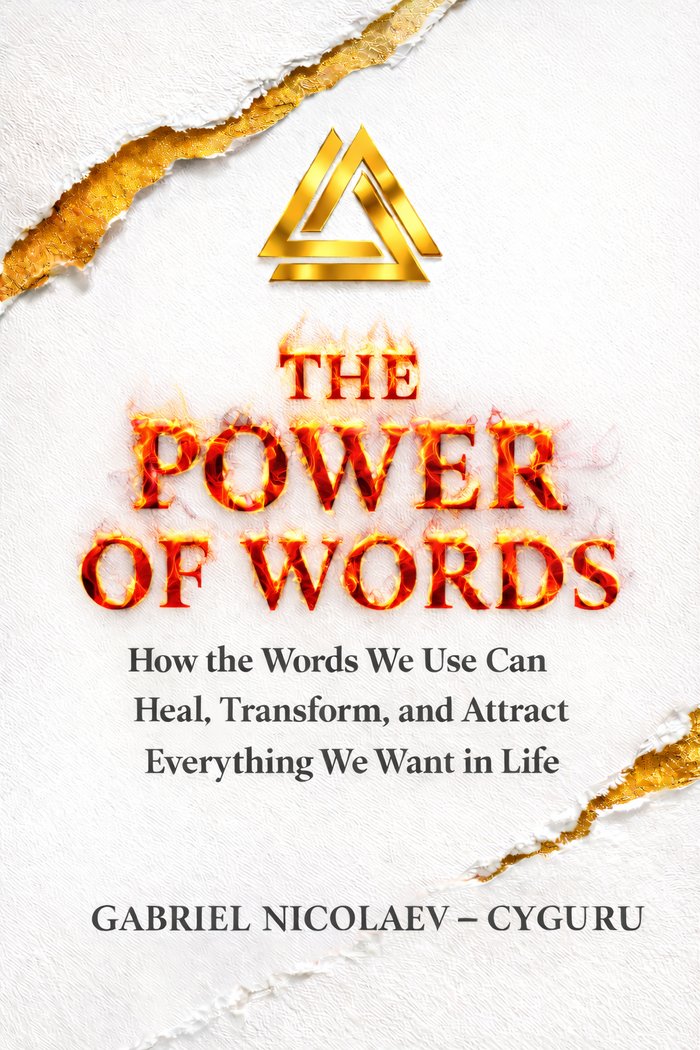
The Power Of Words
A statement can create an expectation that continues long after the conversation ends. This title focuses attention on language as conduct: the ways naming, requesting, promising and repeating influence what happens between people.
View & order on CYGURU.com ↗