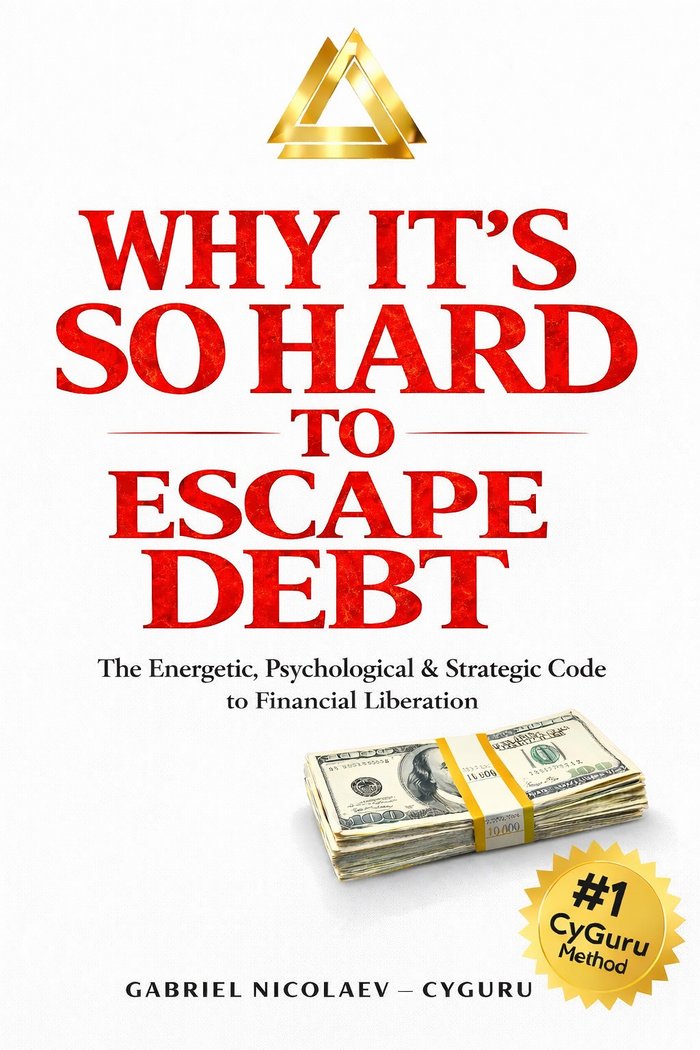
Why It’s So Hard to Escape Debt
Leaving debt can require changing a sequence of decisions while obligations continue to arrive. This title gives attention to the persistence of the problem: how pressure, incomplete information and recurring choices can make an exit difficult to sustain.
Order this book on CYGURU.com ↗Orders, available editions and current pricing are handled by the official CYGURU.com bookstore.
Is this your next book?
Read it alongside a written financial picture rather than a promise of instant relief. Distinguish a temporary shortage, an expensive borrowing structure and a repeated spending pattern, because each calls for a different kind of response.
A question to explore before reading
Which part of the debt cycle is a cash-flow problem and which part is a recurring decision?
Keep this question alongside your own experience as you compare the perspectives in the library.
Explore the subject first.
These original journal essays offer a way into related questions.
 The Bill You Avoid Still Organizes Your Day
 Income Is Not a Financial System: Debt, Pressure and the Decisions Around Money
A perspective for your reading
Read it alongside a written financial picture rather than a promise of instant relief. Distinguish a temporary shortage, an expensive borrowing structure and a repeated spending pattern, because each calls for a different kind of response.
A question to carry into the book
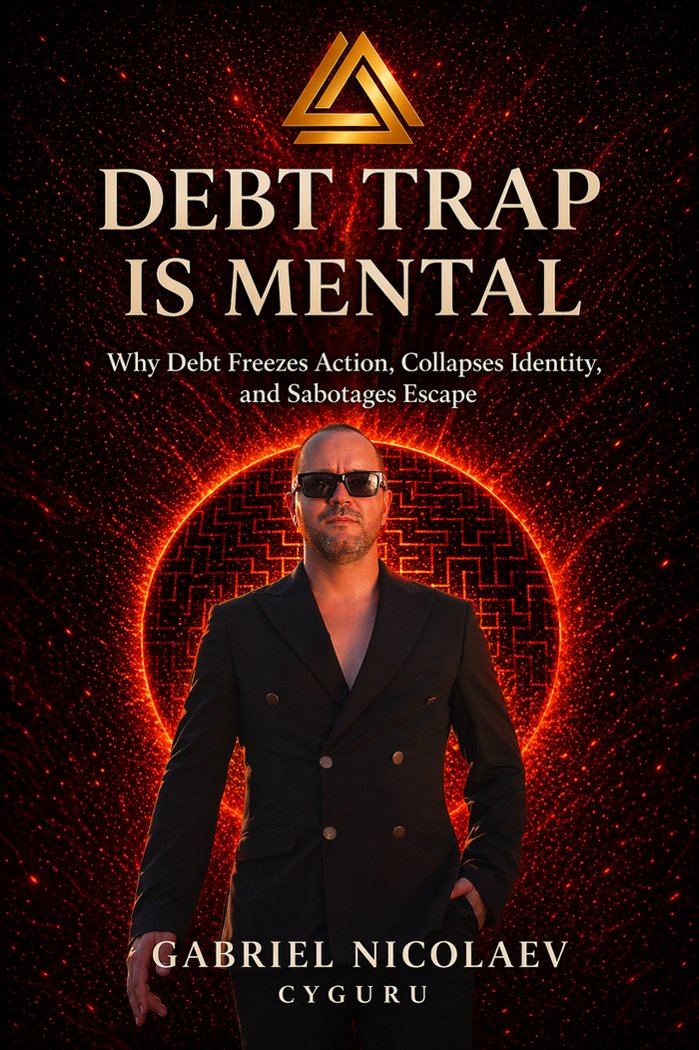
Continue this line of inquiry with THE DEBT TRAP IS MENTAL. Which financial decision are you postponing because looking at it creates discomfort?
Build your next reading connection
- THE DEBT TRAP IS MENTAL — Debt is recorded in numbers, yet living with it can also change attention and the decisions that feel possible.
- THE 33 LAWS OF MONEY — Money rules are most useful when they make trade-offs visible.
- The Energy Of Money — Money carries practical value and personal meanings that are not always easy to separate.