
The Meal Is Social. The Food Allergy Question Still Needs a Precise Answer.
Distinguish food allergy from intolerance and communicate an assessed food-related risk clearly before eating, while keeping emergency care separate from social reassurance.

IN THIS ARTICLE
The question deserves attention before the first biteUse allergy and intolerance as different clinical questionsBring your assessed needs rather than a self-designed experimentAsk what is known about ingredients and preparationConsider the friend who says a small amount cannot matterKeep severe reactions separate from theories about anxietyAllow the group to help without taking over the decisionLet a useful account replace the demand to seem uncomplicatedThe question deserves attention before the first bite
The group is ready to order, and you hesitate to ask another question about the food. You do not want to seem demanding or turn the evening into a discussion of your health. Yet a relevant food-related concern does not become less important because other people are enjoying the setting. The Human Codes question concerns participation under social pressure: can you communicate what matters without asking embarrassment to make the decision? This article offers general education and questions for appropriate professional and restaurant communication. It cannot diagnose a reaction or decide whether a particular dish is safe for you. The useful beginning is an accurate account of the concern, including what has been assessed and what remains uncertain, before convenience supplies an answer the available information does not support.
Use allergy and intolerance as different clinical questions
The NHS describes food allergy as an immune-system response and food intolerance as difficulty digesting certain foods or ingredients. Symptoms may overlap, so a person's experience should be assessed rather than classified through a casual comparison. Do not label an unexplained symptom as intolerance merely because that sounds less serious, or describe every dislike or digestive discomfort as an allergy. Ask a qualified professional about the appropriate evaluation and the words that accurately describe your situation. A clear account helps other people understand the relevant question without making you explain your entire medical history at a table. This distinction is not a ranking of whose discomfort deserves respect. It concerns different processes, risks and care arrangements that should not be collapsed into one convenient label.
Bring your assessed needs rather than a self-designed experiment
If you have a diagnosed condition, follow the advice and relevant plan supplied by the healthcare professional responsible for your care. Clarify uncertainties before a planned meal where possible. If reactions have not been assessed, arrange appropriate medical advice rather than repeatedly testing a suspected food in a social setting. Do not begin broad exclusions or reintroductions solely from a generic online checklist; nutritional and clinical needs vary. This essay provides no home challenge protocol. A restaurant is also not a diagnostic service. Its staff may provide ingredient and preparation information, but they cannot determine why a previous reaction occurred or what level of exposure is suitable for an individual. Preserve that boundary so each conversation asks the person involved for the kind of information they can responsibly supply.
Ask what is known about ingredients and preparation
State the specific assessed concern clearly and ask the appropriate staff member how the dish is prepared. An ingredient list may not answer every question about preparation or contact with other foods. Avoid accepting a guess simply because it is delivered confidently, and do not infer suitability from a familiar dish name or the absence of an ingredient in the photograph. FDA guidance discusses unintended allergen introduction through cross-contact in food preparation. The practical question is what the establishment can reliably establish about the food being served. If staff cannot provide adequate information, keep that uncertainty visible in your decision and follow your professional advice. Courtesy does not require turning an unknown into a reassuring answer for the sake of moving the group toward its next course.
Consider the friend who says a small amount cannot matter
Imagine someone at the table offering a taste and assuring you that it contains hardly any of the ingredient you are avoiding. Their intention may be affectionate, but their confidence does not establish suitability. You can decline without debating your condition in public. A useful response names the relevant instruction: you are following an assessed plan and need reliable information before eating. The example does not specify a safe quantity or predict an individual reaction. It shows why social familiarity cannot replace clinical knowledge or accurate preparation information. The friend can help by respecting the answer and choosing another way to include you. Care becomes more practical when it stops asking the person managing the risk to prove that the relationship matters by accepting the food.
Keep severe reactions separate from theories about anxiety
Food allergy can cause anaphylaxis, a rapidly developing, potentially life-threatening reaction. FDA and NHS guidance emphasize prompt action and emergency medical care when serious allergic symptoms occur. Follow your prescribed emergency plan and seek appropriate emergency help; do not delay necessary care to finish a meal, complete a diary or try to calm the situation through a nervous-system explanation. This article does not provide an individualized treatment protocol. If you are unsure about concerning symptoms, obtain appropriate medical help. CyGuru's nervous-system doctrine may offer an interpretive vocabulary for embarrassment or the pressure to appear easygoing. It cannot establish that a reaction is merely emotional or make a severe allergic event safe. The meaning attached to an experience and the medical response it requires are different questions.
Allow the group to help without taking over the decision
You may choose to tell a companion what assistance is useful, while keeping other health details private. They can support a clear question, respect your decision not to eat something and avoid treating the concern as an obstacle to the group's enjoyment. They should not negotiate a different clinical plan with restaurant staff on your behalf or make assurances you have not accepted. If social pressure is recurring, discuss it outside the meal. The goal is not to make every invitation revolve around one person's food. It is to make participation possible without requiring that person to pretend a relevant condition disappeared. Practical inclusion may involve a different venue, an earlier conversation or another activity. What matters is that the arrangement respects the actual information and the choices of the person affected.
Let a useful account replace the demand to seem uncomplicated
After an unresolved concern or a suspected reaction, seek appropriate professional follow-up and describe what happened accurately. Preserve useful details without claiming a cause you cannot establish. Ask what should be communicated before future meals and whether your current plan needs clarification. A record should serve clinical understanding rather than become an endless private investigation of every ingredient. In the Human Codes reading, agency is visible when you ask a precise question, acknowledge an honest limit and refuse to let social discomfort certify a medical conclusion. You do not need to present yourself as effortless to deserve an enjoyable meal. You need an arrangement in which reliable information, appropriate care and ordinary consideration can coexist at the same table.
Continue the reading path
- The Eating Code: What does your ordinary eating routine make convenient, and what does it make difficult?
- The Nicolaev Medicine Manual: Which part of a health framework is an observation, an interpretation or a proposed intervention?
Sources and further reading
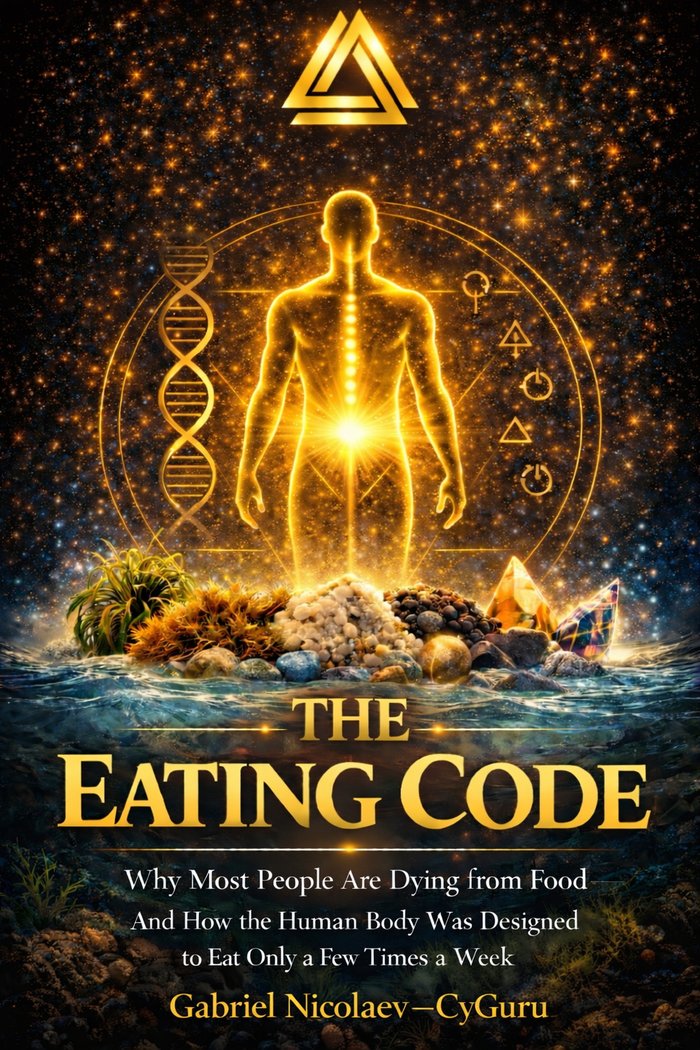
The Eating Code
Food decisions happen within routines, access, preferences and the competing demands of daily life. The Eating Code offers a place to begin reflecting on that pattern before reducing eating to a list of isolated rules.
View & order on CYGURU.com ↗