
Your Wearable Has a Score. Your Morning Still Needs Observation.
Use wearable sleep and readiness data as context, while keeping symptoms, device limits and clinical questions separate from a daily score.
IN THIS ARTICLE
The number arrives before your own descriptionA score combines decisions made elsewhereDistinguish a wellness feature from a medical functionObserve yourself before checking the dashboardA practical case: the red morningUse patterns to formulate questions, not self-diagnosesNotice when checking stops serving a purposeLet measurement return to a useful scaleThe number arrives before your own description
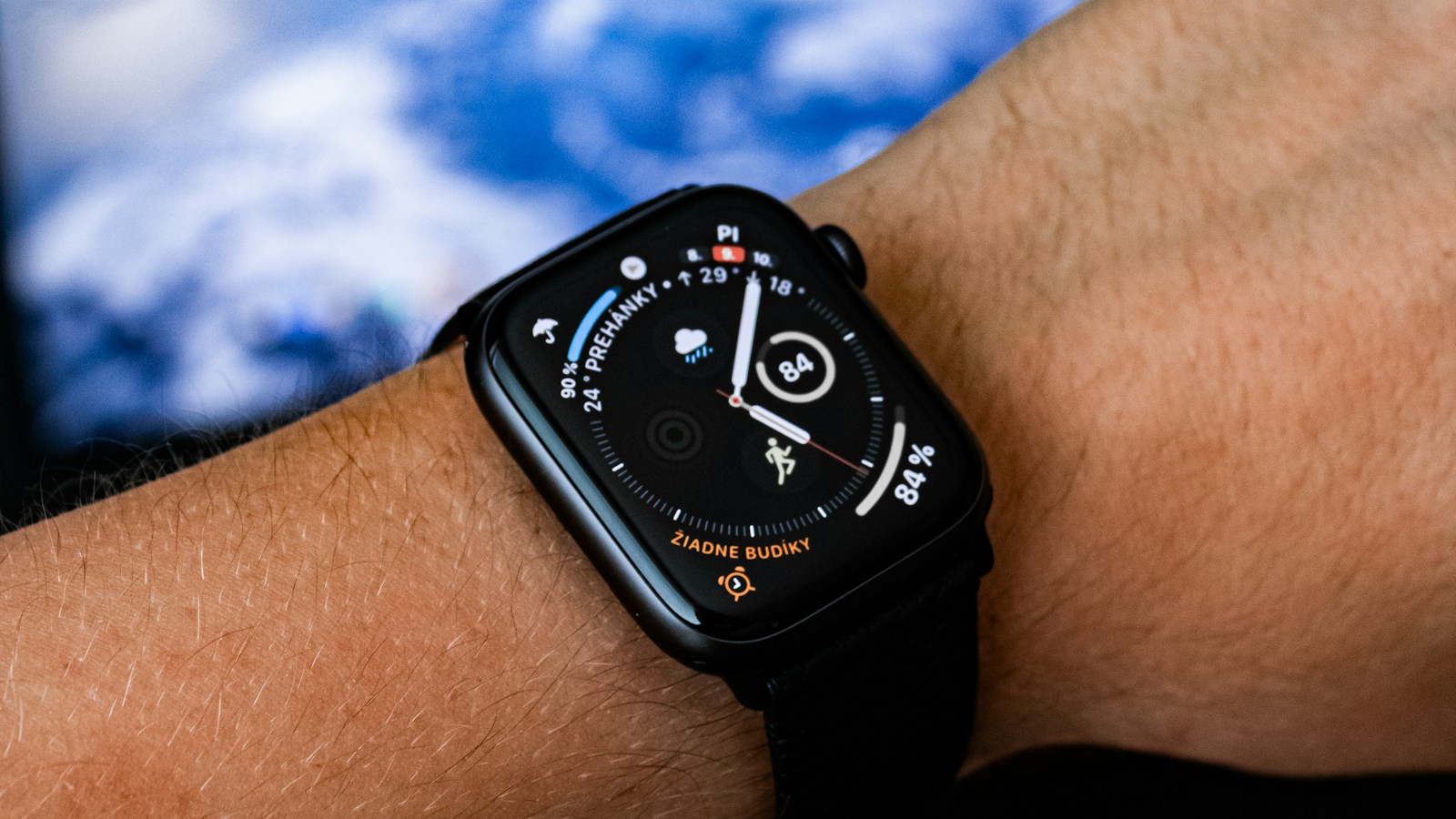
You wake feeling reasonably rested. Before standing up, you open an app that assigns your night a disappointing score. Within minutes you are reconsidering your energy, searching for explanations and predicting that the day will be difficult. On another morning, a favorable number encourages you to dismiss the exhaustion you can plainly feel. Both situations give a useful question a less useful answer. Data can add context, but a summary score is not the entire event it describes. In the Human Codes perspective, the important moment is when information becomes authority without examination. What did the device measure, what did its software infer, and what have you started believing about yourself before comparing the result with the day you are actually living?
A score combines decisions made elsewhere
A readiness or sleep score may combine several measurements using a manufacturer's model. Different products use different inputs, algorithms and labels. The same familiar-looking number can therefore represent different things across devices or software versions. Read the relevant documentation instead of assuming that the display has a universal clinical meaning. Ask which measurements are direct, which are estimates and what circumstances can affect collection. A loose fit, missing recording period or altered routine may deserve attention, depending on the device. You need not become an engineer to ask these questions. Their purpose is to identify the limits of the information you possess. The visual precision of a number should not be confused with certainty about the personal decision you want it to make.
Distinguish a wellness feature from a medical function
Some consumer devices include specific regulated medical functions alongside general wellness features. Those functions should be understood according to their intended use and instructions, rather than treating the entire watch as either clinically authoritative or useless. FDA guidance distinguishes low-risk general wellness products from functions intended for diagnosis or treatment. A 2018 American Academy of Sleep Medicine position statement also cautioned against using then-unvalidated consumer sleep technologies to diagnose or treat sleep disorders. That dated statement is not a verdict on every current device. Its enduring practical question is whether the particular feature has evidence and authorization for the particular use you propose. Check current documentation and ask a qualified professional when medical interpretation is needed, rather than borrowing authority from the device's overall reputation.
Observe yourself before checking the dashboard
Try writing a brief description of the morning before opening the app. How alert do you feel? What was unusual about the night? Are there symptoms that matter independently of the score? This is a reflective experiment, not a diagnostic test or a treatment for anxiety about sleep. Its value is in keeping your own observations available for comparison. If you always inspect the score first, you may find it harder to distinguish what you initially experienced from what you expected after seeing it. Do not manufacture a perfect relationship between the two. A mismatch is information about the limits of either account, not an immediate reason to distrust your body or declare the device fraudulent. Keep the question open long enough to gather useful context.
A practical case: the red morning
A manager wakes to a red readiness indicator on the day of an important presentation. He had planned a demanding workout and now considers cancelling everything, including the presentation, despite feeling capable. A more proportionate response distinguishes optional intensity from fixed responsibilities and checks whether there are actual symptoms or unusual circumstances. He might choose a less demanding workout while proceeding with ordinary work, without making the color the sole decision-maker. On another day he feels markedly unwell despite a favorable display. That number should not be used to dismiss symptoms or postpone appropriate care. The point is not to prescribe activity from this example. It is to show how a score, felt experience and the consequences of a decision can be considered separately before choosing what to do.
Use patterns to formulate questions, not self-diagnoses
If you want to discuss persistent fatigue or sleep concerns with a clinician, a concise record may be more useful than a collection of alarming screenshots. Note the concern, its duration, the effect on daily life and any relevant changes in routine. Bring the device information as additional material and explain which feature produced it. The clinician may find some observations useful and others less informative. Allow that distinction without feeling that your effort has been dismissed. Persistent or concerning symptoms deserve appropriate assessment regardless of whether a consumer score appears normal. Conversely, an isolated unfavorable score without a clear problem does not establish a disorder. Keep the medical question attached to symptoms and functioning instead of letting the software's vocabulary determine the diagnosis you think you need.
Notice when checking stops serving a purpose
You may open the app repeatedly to see whether your interpretation feels more certain, even though the underlying record has not changed. The checking then becomes a separate behavior worth examining. What decision will another look improve? If there is none, consider a defined review time or a period without a nonessential feature. This is an optional boundary around information, not advice to ignore prescribed monitoring or medical alerts. CyGuru's nervous-system doctrine interprets the search for a reassuring number as one possible response to uncertainty. It does not prove that wearables cause distress or that every attentive user is anxious. If tracking itself becomes persistently distressing, discuss that experience with an appropriate professional rather than forcing yourself to achieve a supposedly ideal attitude toward the data.
Let measurement return to a useful scale
A useful tool helps you ask better questions and make more informed choices. It should not require every ordinary day to begin with a verdict about your adequacy. Review whether tracking has improved a specific decision: preparing a clinical conversation, noticing a routine or understanding the limits of an estimate. If you cannot identify a benefit, reconsider the feature's role. Keep instructions for genuine medical functions distinct from optional lifestyle scores. Keep symptoms visible even when the dashboard looks favorable. And allow a number to remain incomplete without demanding that it be meaningless. Agency here is the capacity to use available information at the scale its evidence supports, while retaining room to observe, question and seek qualified interpretation when your health requires more than an app can provide.
Continue the reading path
- RECHARGE: What keeps consuming capacity even during the time you call rest?
- THE NERVOUS SYSTEM CODE: What changes in your behavior when the same situation feels safe rather than threatening?
Sources and further reading
RECHARGE
Recovery becomes difficult when rest is treated only as a reward for finishing everything. Recharge belongs to the library’s exploration of how people relate to effort, depleted capacity and the expectation of continuous availability.
View & order on CYGURU.com ↗