
The Walk Between Two Versions of Your Day
Use an ordinary walk as a deliberate transition between work and home, while keeping movement, reflection and medical claims in their proper context.

IN THIS ARTICLE
Changing location does not always change your attentionGive the interval a limited purposeMovement changes the setting in which thinking happensListen to breathing without forcing a resultA transition can include a necessary messageDo not make the body responsible for a structural problemArrive with one intention that another person could recognizeEvaluate the transfer between settingsChanging location does not always change your attention
You leave work and arrive home, but the conversation in your head continues. A question from a family member feels like one more demand, even when you have been looking forward to seeing them. The physical journey has occurred; the transition in attention may not have. In the CyGuru framework, ordinary transitions deserve examination because they determine what one part of life passes into the next. A walk can provide a useful interval, not because walking erases stress on command, but because it creates a setting in which you can notice what you are still carrying.
Give the interval a limited purpose
Do not turn the walk into a mandatory performance of perfect calm. Its purpose might be to identify one unfinished work issue, decide when you will return to it and notice the environment around you. A few minutes may be enough to clarify that boundary. If the issue requires action now, acknowledge that honestly and communicate the need. If it can wait, choose a specific later time. The transition becomes credible when there is a plan for the unfinished matter. Otherwise, telling yourself to stop thinking about it may simply create another argument inside your attention.
Movement changes the setting in which thinking happens
A different route, natural light or a change of pace may make a familiar problem feel less closed. This is an observation you can test in your own routine; it is not proof of a universal mechanism. Some walks remain full of rumination, and some circumstances make walking unsafe, inaccessible or uncomfortable. Another transition may suit you better: sitting outside, stretching within your ability or taking a quiet journey without work calls. The essential principle is a usable change of context, not loyalty to one activity as the only path toward regulation.
Listen to breathing without forcing a result
Ordinary attention to breathing can help you notice whether you are rushing, holding tension or continuing an argument internally. You do not need to breathe to a demanding count or practice prolonged breath-holding. If an exercise causes dizziness, distress or discomfort, stop and choose something more suitable. The language of nervous-system regulation sometimes invites people to treat a sensation as a score they must optimize. Here the aim is simpler: observe how you are arriving into the next setting. A bodily observation is information; it should not become another test of whether you are doing life correctly.
A transition can include a necessary message
Imagine walking from a stressful meeting toward home while knowing a significant work problem remains unresolved. Trying to ban the thought may make it more persistent. Instead, send a brief, accurate update through the appropriate work channel before the walk, specifying what will happen next and when. Then use the interval to leave the immediate conversation rather than repeatedly rehearse it. If you must take another call, acknowledge that the transition has changed and protect a different moment later. This avoids treating the walk as a ritual that has failed because life intruded. At home, explain the remaining demand proportionately instead of expecting others to infer it from your irritability. The relevant outcome is whether you have reduced ambiguity and carried responsibility more clearly between settings. You are not attempting to make work disappear from your mind. You are creating a boundary around its next action so it does not need to occupy every possible moment until it is finished. That distinction can make a modest transition more useful than a long attempt to force yourself into calm.
Do not make the body responsible for a structural problem
A walk cannot repair an impossible workload, replace sleep or resolve a harmful relationship. It may help you approach a practical change more deliberately, but the change still has to occur. NIMH describes stress in relation to external causes, which keeps those causes inside the discussion. If your walk repeatedly reveals the same unmanageable obligation, the next step may be to renegotiate the obligation rather than extend the walk. Regulation becomes meaningful when it supports action on conditions, instead of training you to tolerate conditions that continue to exceed your capacity.
Arrive with one intention that another person could recognize
Before entering home or the next meeting, choose a modest behavior: listen to the first answer without checking the phone, explain that you need ten minutes before discussing an issue, or put the work bag away. Avoid grand promises about being a transformed person. A transition is demonstrated by the next interaction. If you are still tense, you can name that without making others responsible for removing it. The ability to arrive imperfectly and act considerately is more useful than withholding contact until you can display an ideal emotional state.
Evaluate the transfer between settings
After a week, ask what changed. Are you clearer about when work resumes? Are fewer conversations being answered as though they were continuations of the last stressful task? Have you identified a demand that needs a direct decision? Keep the practice if it helps and adapt it if it does not. Persistent symptoms or difficulties deserve appropriate assessment rather than an assumption that you need a better walking ritual. The deeper point is that the space between roles is part of the roles themselves. How you cross that space influences what you ask the next person to carry.
Continue the reading path
- BREATH: What do you notice about your pace when you stop trying to force it?
- RECHARGE: What keeps consuming capacity even during the time you call rest?
Sources and further reading
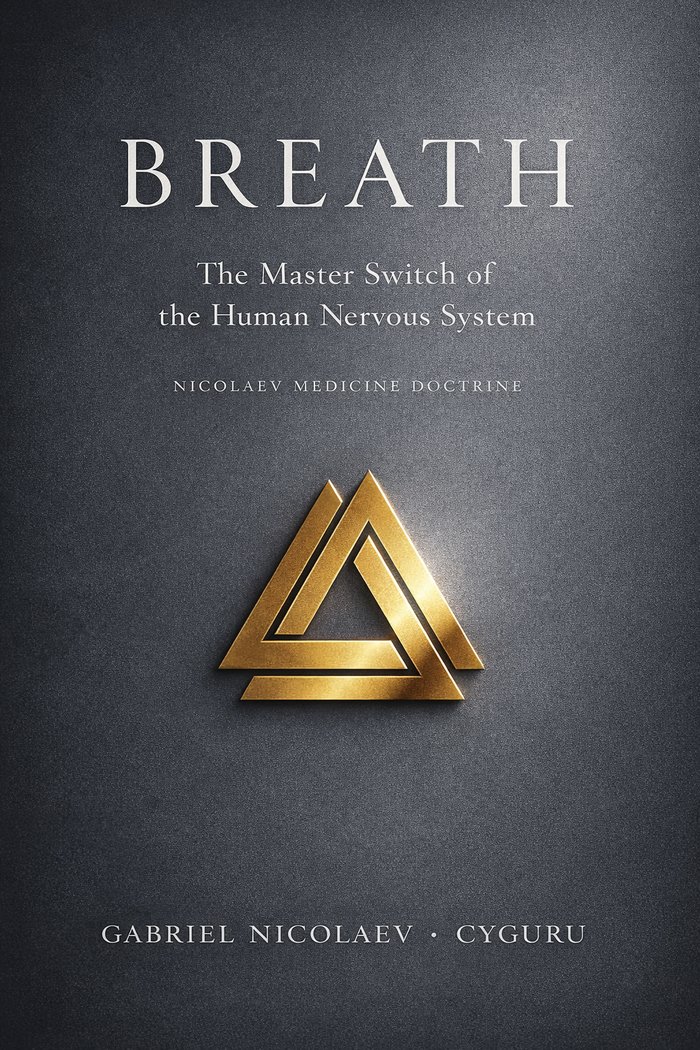
BREATH
Breathing is both ordinary and easy to overlook until attention is directed toward it. This title gives that everyday activity a place in a wider discussion of bodily awareness, pace and the way a person notices tension.
View & order on CYGURU.com ↗