
Another Medical Opinion Is a Question, Not a Betrayal.
Prepare a clear question, complete records and coordinated follow-up for a second medical opinion, while keeping urgency and ongoing care in view.

IN THIS ARTICLE
The question becomes a test of loyalty before it becomes clearName what you want reviewedBring the case rather than only the conclusion you dislikeCoordinate timing before allowing the process to suspend careUse the appointment to understand reasoning, not select a reassuring toneDifferent opinions require comparison before another searchSupport should help you participate rather than replace your voiceLeave with a coordinated next stepThe question becomes a test of loyalty before it becomes clear
You want another specialist to review a recommendation, but hesitate because the first clinician has been kind and attentive. Asking somebody else feels like making an accusation. A family member may intensify the dilemma by insisting that trust means following the first recommendation without further questions. In the CyGuru perspective, the task is to separate gratitude, confidence and the information needed for a consequential decision. These can coexist. You can value the care already received and still want another qualified assessment. This essay concerns general preparation, with cancer-care guidance among its sources. It does not determine whether a second opinion is appropriate in your circumstances. The important starting point is a defined question about diagnosis, options or reasoning, rather than an emotional contest in which one professional must be declared loyal and another must be declared right.
Name what you want reviewed
A request for another opinion becomes more useful when you can identify what remains unclear. Are you asking whether the diagnosis is established, whether different treatment options exist or how the recommendation fits your priorities and circumstances? Write the question in plain language. Avoid asking the appointment to provide total certainty about every future event. A specialist may clarify the decision while acknowledging real limits. You might also discover that the original explanation was incomplete rather than that the recommendation itself was wrong. Both findings can matter. Keep a short list of the decisions in front of you and the information you need to participate in them. The point is not to sound medically sophisticated. It is to make the purpose of the review understandable enough that the professional can address the actual uncertainty, rather than guess which part of a difficult experience you hope another meeting will resolve.
Bring the case rather than only the conclusion you dislike
NCI describes a second opinion after a cancer diagnosis as another specialist reviewing the materials related to the case. The reviewer may agree with the initial plan or propose a different approach. That guidance supports gathering the relevant records; it does not promise that another consultation will produce a better outcome or an answer you prefer. Ask the receiving service which documents and images it needs and how they should be transferred securely. Include the existing recommendation accurately, even if you disagree with it. Do not omit a result because it complicates the explanation you want examined. A useful review needs access to the actual case, including uncertainty and inconvenient details. Your account of how the recommendation affected you also matters, but it cannot replace records that the professional needs to understand what has already been investigated and which questions remain open.
Coordinate timing before allowing the process to suspend care
Ask the clinician responsible for your current care how urgent the decision is and how a further review can fit safely within that timetable. Do not assume that waiting is harmless merely because you are collecting more information. Equally, do not infer from your own anxiety that every question must be settled immediately without discussion. The appropriate timing depends on the situation and requires qualified advice. Keep existing care instructions visible while arranging the consultation. If you do not understand whether to continue something already prescribed, ask the responsible professional rather than changing it independently. A second opinion should be integrated into care, not become an unexplained gap between services. The practical questions are direct: what needs to happen now, what can reasonably await review and whom should you contact if your condition or the arrangement changes before the appointment takes place?
Use the appointment to understand reasoning, not select a reassuring tone
A calm explanation can feel trustworthy, while an unfamiliar recommendation may feel threatening. Those reactions deserve notice, but they cannot establish which proposal is appropriate. Ask the reviewer to explain the relevant evidence, alternatives, uncertainties and expected follow-up in terms you understand. MedlinePlus's cancer-care guidance recommends bringing questions and a current medicine list, including supplements, and allows for a support person. These are preparation suggestions, not a substitute for individualized assessment. Take notes with permission or ask for a written summary where available. If you hear something unexpected, clarify whether it reflects new information, a different interpretation or another option within a range of reasonable approaches. The quality of an opinion cannot be measured solely by how quickly it removes discomfort. A useful explanation makes the decision more understandable, including the parts that remain difficult or uncertain after the conversation.
Different opinions require comparison before another search
Suppose the second specialist recommends a different approach. You may feel pressured to choose a side immediately or begin searching for a third person who will settle the disagreement. First ask what the difference actually concerns. Are the professionals working from the same records? Do they understand your priorities similarly? Which findings or assumptions lead them toward different recommendations? Ask how the relevant clinicians can communicate through appropriate channels if clarification would help. This is not a requirement that every difference disappear before care can proceed. It is an invitation to make the disagreement specific enough to evaluate with qualified support. An unlimited search for certainty can become a new source of delay, while premature obedience can leave important questions unexamined. The next step should respond to the particular difference, its consequences and the urgency of the situation, rather than the emotional demand that one voice must make all remaining uncertainty vanish.
Support should help you participate rather than replace your voice
A relative or friend may help organize documents, remember questions or accompany you. Agree beforehand what would be useful. You might want them to take notes while you speak, raise a question you tend to forget or help review the explanation afterward. Their support should not silently become permission to speak over you or conceal information because they think it would be upsetting. Your preferences and the clinical circumstances need to be discussed with the care team. CyGuru's whole-person interpretation asks how pressure affects your ability to ask, listen and choose. It does not establish a medical mechanism behind indecision or claim that emotional steadiness determines treatment success. A person may feel frightened and still participate responsibly. The aim is not a flawless performance of independence; it is an arrangement in which appropriate support increases your access to information and care without making your own questions disappear.
Leave with a coordinated next step
Before the review ends, establish what happens next, who is responsible for it and how the findings will reach the relevant care team. Keep the summary with the records and ask whom to contact for clarification. You may decide to continue with the first team, pursue another option or seek further discussion. This article cannot choose among those outcomes for you. Its narrower invitation is to keep the process connected to the decision that prompted it. Gratitude toward a clinician and a desire for another opinion need not be treated as enemies. Trust becomes more usable when questions can be voiced and information can be shared accurately. In a Nicolaev Medicine reading, the person remains larger than the consultation and the decision remains answerable to evidence, circumstances and qualified care. Another opinion is valuable when it helps that process become clearer, rather than merely replacing one unquestioned authority with another.
Continue the reading path
- The Nicolaev Medicine Manual: Which part of a health framework is an observation, an interpretation or a proposed intervention?
- DECISION: What cost are you paying to keep this choice undecided?
Sources and further reading
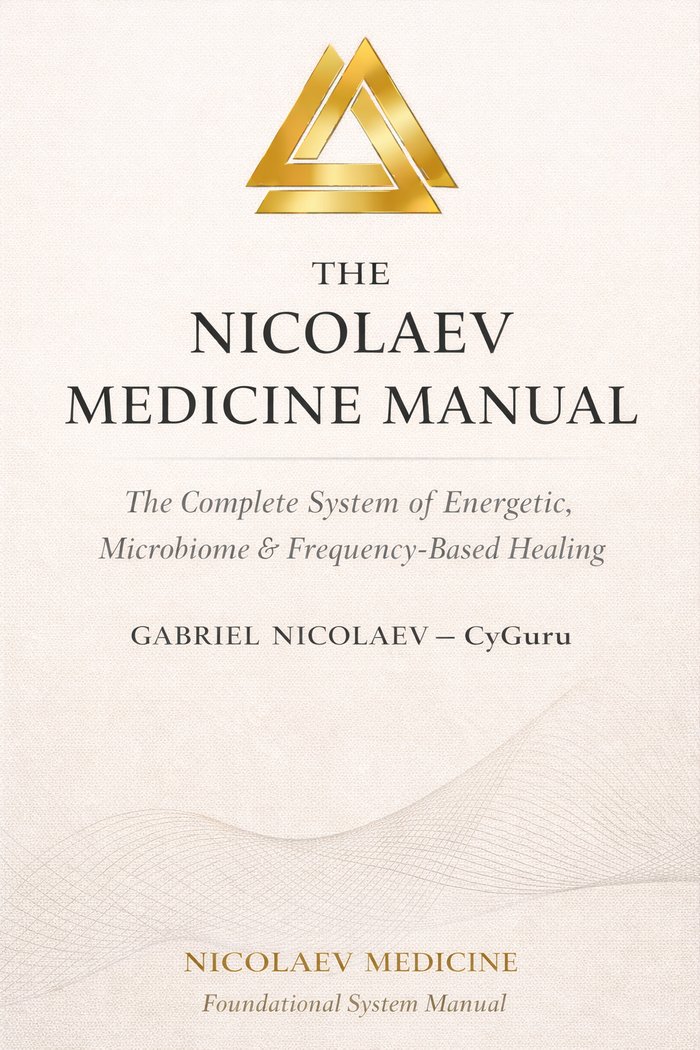
The Nicolaev Medicine Manual
A named health philosophy deserves to be examined on its own terms and against reliable evidence. This manual is the natural entry point for readers seeking to understand what the author means by Nicolaev Medicine.
View & order on CYGURU.com ↗