
The Camera Is Connected. Is the Consultation Ready?
Prepare a telehealth visit around privacy, clear observations, reliable technology and an agreed follow-up plan, while recognizing the limits of remote assessment.
IN THIS ARTICLE
A working connection is not the whole appointmentPrepare a setting in which you can speak honestlyCheck the tools without turning the visit into a performanceBring a concise account that survives interruptionA remote examination has a context and limitsConsider the symptom that disappeared behind a poor imageKeep the need for care separate from the available screenEnd with a plan you can describe after disconnectingA working connection is not the whole appointment
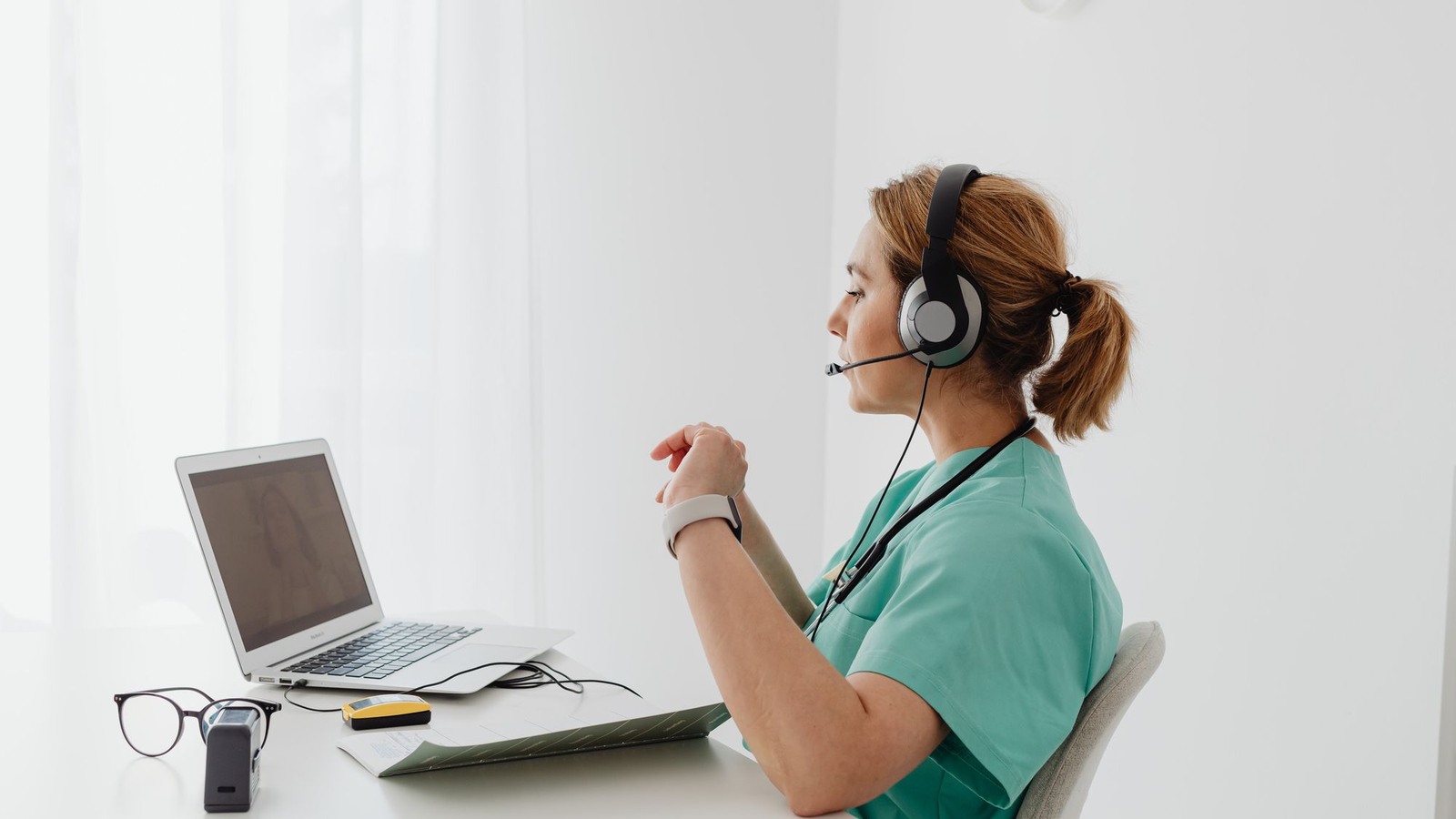
You enter the video call, see your face in a small window and begin thinking about how you appear. The clinician asks a question while you adjust the screen. A household noise interrupts the answer. By the end, you have been connected for the entire visit but are unsure whether the main concern was clearly described. The CyGuru question concerns the difference between access and participation. A remote consultation needs more than a functioning camera: it needs an arrangement in which relevant information can be exchanged, limitations can be acknowledged and the next step can be understood. This essay offers general preparation, not an assessment of which conditions can be managed remotely. Your clinician must determine what is appropriate for the specific concern. Technology can create a useful meeting place without making every medical question answerable inside that place.
Prepare a setting in which you can speak honestly
Choose a location where you can hear, be heard and discuss the concern with reasonable privacy. If that is difficult, tell the provider before the appointment and ask what alternatives are available. Someone helping with technology may not be someone you want present for every health question. Clarify who will remain and what you are comfortable discussing in front of them. HHS patient guidance recommends attention to private space and reducing avoidable exposure of health information. The broader practical point is to consider the setting before a sensitive question arrives. Headphones can help in some circumstances, but they do not prevent another person from hearing your side of the conversation. Do not promise yourself privacy that the room cannot provide. A limitation named early can be addressed more responsibly than a concern left unspoken because the video call technically worked.
Check the tools without turning the visit into a performance
Use the provider’s instructions to test access, sound, camera position and relevant technology. Ask for accessibility or language support when needed. Keep the device stable and arrange enough light for the clinician to see what the appointment requires. Avoid conducting the visit while driving or trying to manage unrelated errands. These are practical conditions for communication, not a test of digital competence. A person can need technical help and still participate thoughtfully in their care. If the connection fails, follow the contact arrangement supplied by the provider rather than assuming the appointment has ended or repeatedly entering unfamiliar links. You do not need a professionally staged room. You need enough technical reliability and attention that a question can receive an answer without both people having to reconstruct it through movement, background conversation and a microphone nobody realized was muted.
Bring a concise account that survives interruption
Write the main concern in ordinary language, including its timing, relevant changes and effect on daily life. Keep current medication information and other details requested by the provider available. Distinguish observations from explanations: describe what happened before declaring why it happened. If the call is interrupted, this short account can help you return to the question without starting an entirely new story. Do not collect measurements simply because devices are available or imagine that an impressive record establishes a diagnosis. Follow the monitoring instructions appropriate to your care. The Nicolaev Medicine perspective values the person’s wider circumstances, while the clinical interpretation remains a matter for qualified assessment and evidence. A prepared account supports that assessment. It should make uncertainty clearer rather than conceal it behind technical language you feel obliged to use in order to be taken seriously.
A remote examination has a context and limits
HHS guidance for providers describes ways to conduct parts of a physical examination remotely and emphasizes documenting observations and what the patient could or could not perform. This does not mean every examination or condition is suitable for video. A clinician may need an in-person assessment, testing or another form of care. Ask what the remote visit can reasonably establish in your situation and what remains unanswered. Follow only appropriate instructions you understand; ask for clarification if a requested movement or demonstration feels unclear or unsafe. This article does not provide a home examination protocol. The useful distinction is between participating in a clinician-led assessment and trying to manufacture certainty through a camera. A limitation is not automatically a failure of telehealth. Recognizing it can be part of using the service responsibly and arranging the form of care the question actually requires.
Consider the symptom that disappeared behind a poor image
Imagine a patient trying to show a concern while holding a phone, describing its history and listening to instructions simultaneously. The image is unclear, and they interpret a brief response as confirmation that nothing further matters. A better exchange would make the limitation explicit: can the clinician see enough, what has been understood and what cannot be assessed through this connection? The clinician might request another arrangement or an in-person review. The example does not imply a particular diagnosis or prescribe a response to an individual symptom. It shows why technical uncertainty should remain visible in the clinical account. If the main concern was not adequately communicated, say so. The appointment should not be judged solely by whether the conversation ended politely or whether you appeared cooperative while the information needed for a useful assessment never successfully reached the other person.
Keep the need for care separate from the available screen
A planned telehealth visit should not become a reason to delay appropriate assessment of a new urgent problem. If symptoms are severe, rapidly changing or otherwise concerning, seek the level of care appropriate to the situation rather than waiting to complete an online appointment. Follow professional instructions relevant to your circumstances. CyGuru’s nervous-system doctrine is used here as an interpretive framework for examining embarrassment, uncertainty and the wish to appear composed. It cannot identify the cause of symptoms or determine that a concern is merely a reaction to technology. You may feel awkward and still need medical care. You may appear comfortable while an important question remains unresolved. Agency includes telling the provider when you did not understand, when the connection limited the exchange or when something has changed enough that the original appointment arrangement may no longer be suitable.
End with a plan you can describe after disconnecting
Before the call ends, summarize what you understand about the next step, any follow-up and how to contact the appropriate service if questions remain. Ask for a written summary through the provider’s usual channel when available. Clarify which points were assessed and which require another setting or further information. Do not change a prescribed plan independently because an online explanation later sounds more confident. Keep the relevant record somewhere appropriate and protect access to personal information. A useful consultation leaves more than the memory of having been seen on screen. It leaves an intelligible arrangement for what follows. In the Human Codes reading, preparation serves your ability to participate in that arrangement. The camera can connect two places. Clear communication, honest limits and appropriate clinical judgment give that connection a practical purpose in the care of the person using it.
Continue the reading path
- The Nicolaev Medicine Manual: Which part of a health framework is an observation, an interpretation or a proposed intervention?
- DECISION: What cost are you paying to keep this choice undecided?
Sources and further reading

The Nicolaev Medicine Manual
A named health philosophy deserves to be examined on its own terms and against reliable evidence. This manual is the natural entry point for readers seeking to understand what the author means by Nicolaev Medicine.
View & order on CYGURU.com ↗