

Authority
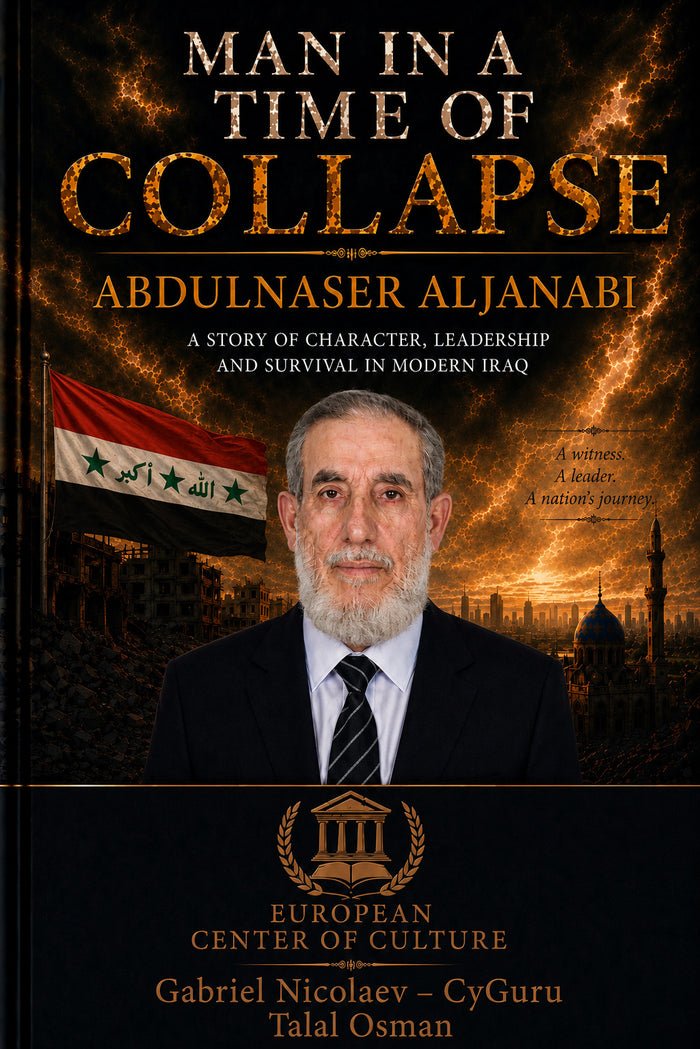
Examine how authority is understood and exercised.
Explore this book ↗Examine the structures behind public events.
Power and society brings together the author’s work on leadership, institutions, conflict and collective futures. These titles invite attention to incentives and consequences alongside the public narratives that make an event easy to describe.

Read interpretations as arguments to examine rather than settled explanations of changing events. A historical or political perspective becomes stronger when competing accounts and the difference between inference and evidence remain visible.
Examine how authority is understood and exercised.
Explore this book ↗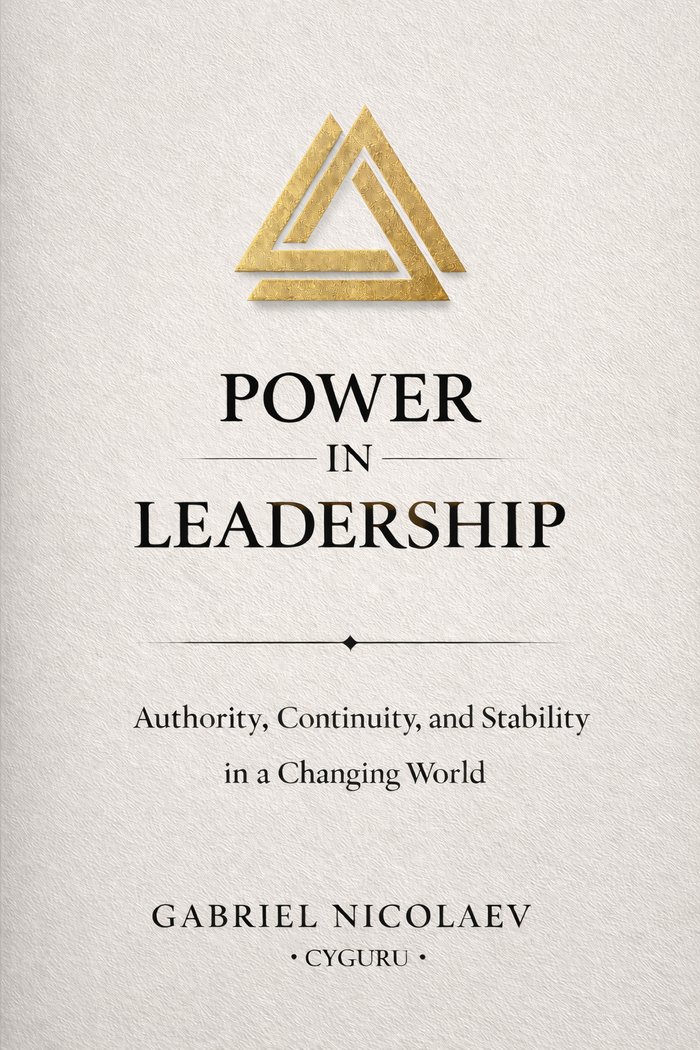
Bring the wider question into leadership and responsibility.
Explore this book ↗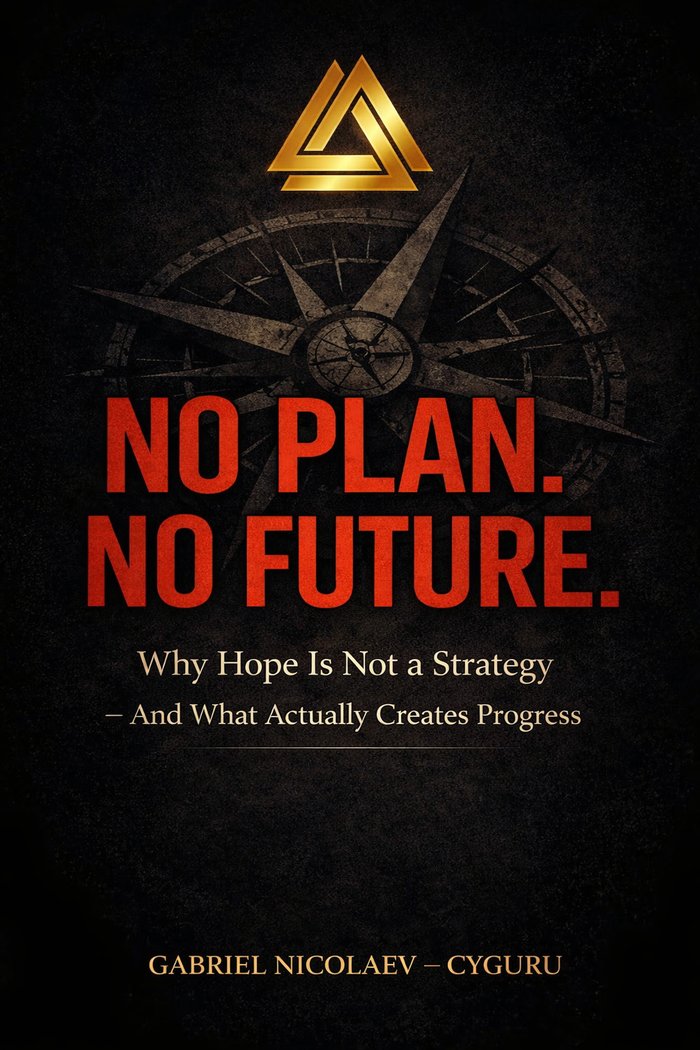
Connect present choices with longer-term direction.
Explore this book ↗



Revise a public position with a clear record of what changed, which evidence mattered and what responsibility remains for the earlier claim.
Read the article ↗
Examine humor that makes objection socially costly, distinguish intent from impact and create room for a specific concern without staging a loyalty trial.
Read the article ↗
Give accurate credit for collaborative work by naming contributions, correcting omissions and separating visibility from ownership.
Read the article ↗
Navigate a promotion that changes workplace friendships through clear decisions, fair standards and honest conversations about responsibility.
Read the article ↗
Explore independent judgment in groups: distinguish evidence-based dissent from reflexive opposition, social performance and the demand to protect an identity.
Read the article ↗
Examine institutional trust through understandable procedures, visible reasons and usable review routes, without reducing public confidence to personal calm.
Read the article ↗
Examine the pressure to react to public controversy, separating evidence, moral judgment and social urgency through the Human Codes perspective.
Read the article ↗
Explore how leaders shape a team’s response to urgency through escalation habits, clear priorities and consistent consequences rather than tone alone.
Read the article ↗
Explore conflict preparedness for women through trusted support, health continuity, safer arrangements and access to help without survivor-blaming.
Read the article ↗
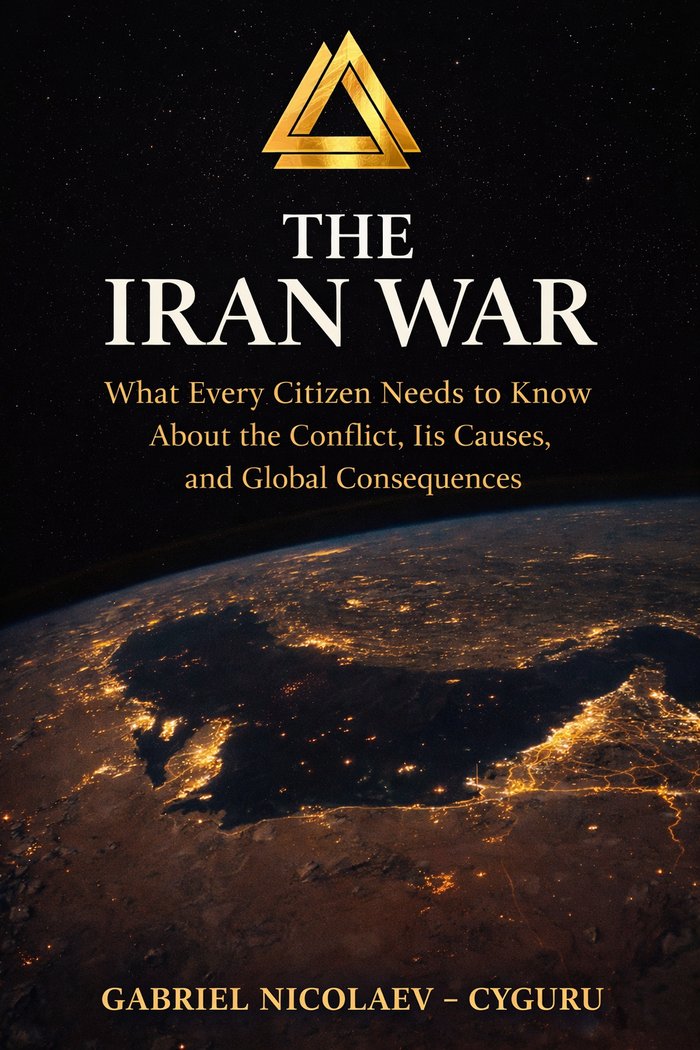
Understand Iran-related conflict through security incentives, nuclear verification, sanctions and energy exposure while separating evidence from prediction.
Read the article ↗
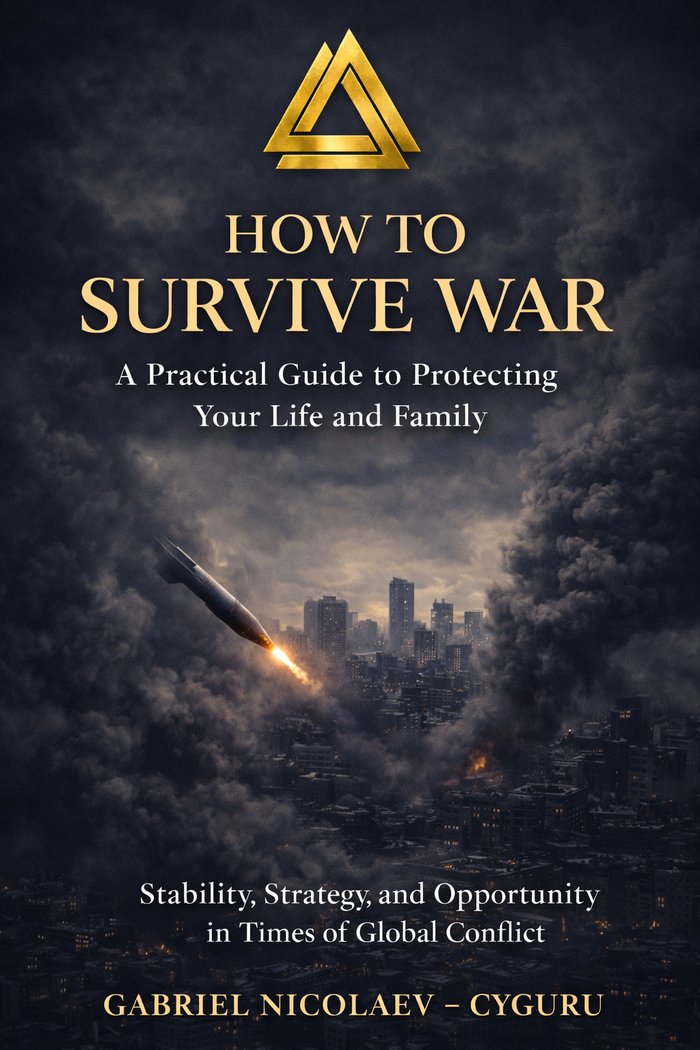
Prepare for conflict through household planning, verified information, essential supplies, medical continuity and decisions that preserve civilian options.
Read the article ↗
Explore the Reptilian image as a speculative lens on control while keeping real-world criticism grounded in conduct, institutions and verifiable evidence.
Read the article ↗
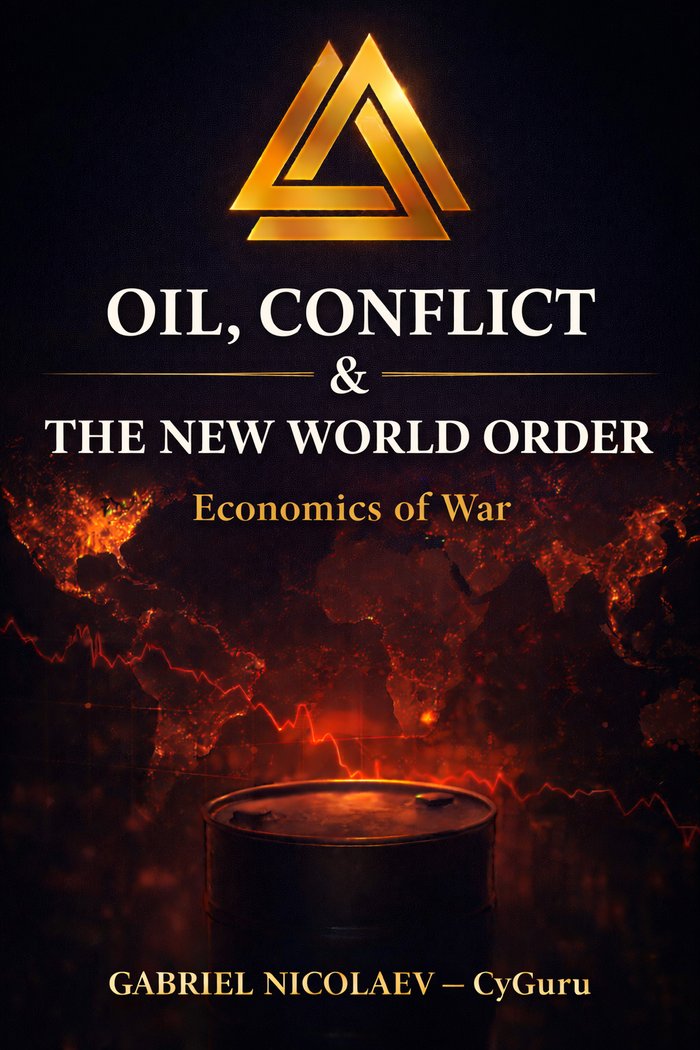
Understand oil-related conflict through supply routes, price expectations, contracts and practical exposure without reducing every war to one hidden cause.
Read the article ↗
Explore Gabriel Nicolaev – CyGuru’s CYSOCIETY philosophy through systems thinking, accountable design and improvements people can assess in practice.
Read the article ↗
Read an organization through its actual rewards, distinguish useful coordination from status protection and make independent contributions more workable.
Read the article ↗
Distinguish role, expertise and evidence, ask proportionate questions and preserve responsible judgment when following an important instruction.
Read the article ↗
Examine the incentives competing for your attention and build a more deliberate relationship with information, entertainment and shared time.
Read the article ↗
Understand how repeated interruptions leave meaningful questions unresolved, and protect the attention needed for a complete act of understanding.
Read the article ↗
Distinguish real constraints from inherited verdicts, examine the cost of familiarity and test an alternative without abandoning responsibility.
Read the article ↗
Identify the fears behind automatic retreat, assess concrete risks and practice deliberate choices without confusing courage with needless danger.
Read the article ↗
Examine inherited beliefs, separate evidence from familiarity and test limiting assumptions through small, responsible experiments.
Read the article ↗
Explore leadership as the work of turning pressure into clear decisions, priorities and accountable arrangements instead of spreading uncertainty through a team.
Read the article ↗
Read conflict and social systems through incentives, institutional choices and human consequences, with a clear separation between analysis and live safety information.
Read the article ↗