
THE NERVOUS SYSTEM CODE
Explore how the author connects bodily state, perception and everyday reactions.
Explore this book ↗Observe the pattern before naming yourself.
The mind and regulation collection brings together books on habits, pressure, clarity and the decisions people find difficult to sustain. Begin with the situation you want to understand, then compare the lenses offered by different titles. A regulation framework, a book on attention and a book on choosing need not answer the same question.

Read across bodily awareness, assumptions and practical action without treating any one framework as a complete account of a person. These guides help you identify a starting point and connect it to a complementary perspective.
Explore how the author connects bodily state, perception and everyday reactions.
Explore this book ↗
Bring attention to the situations in which your responses become automatic.
Explore this book ↗
Connect awareness with the choices that follow it.
Explore this book ↗

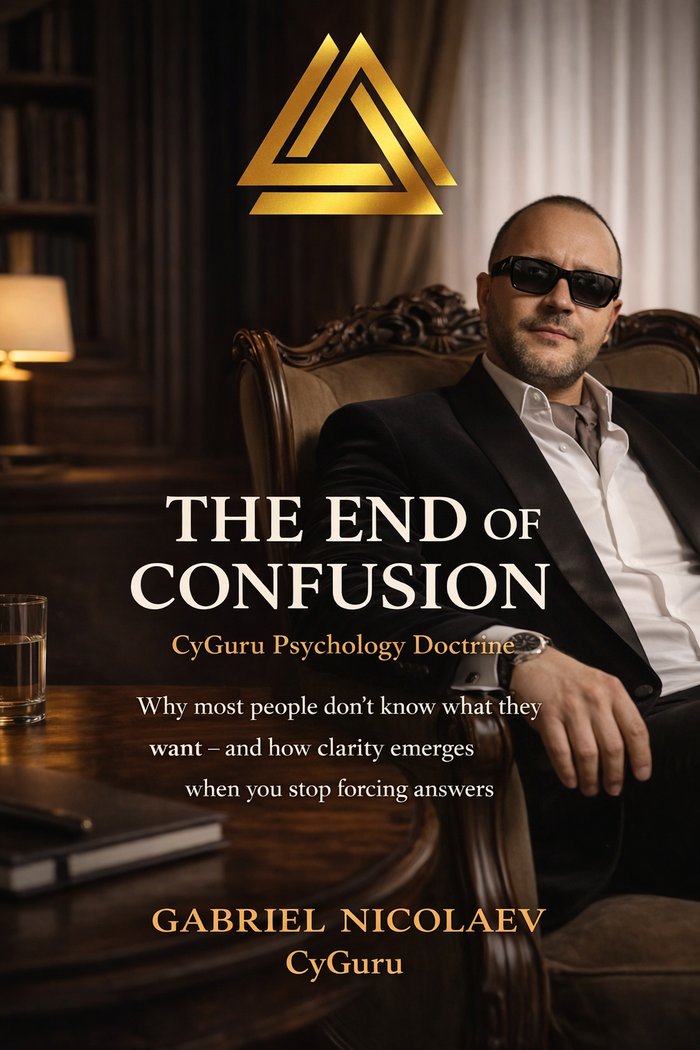
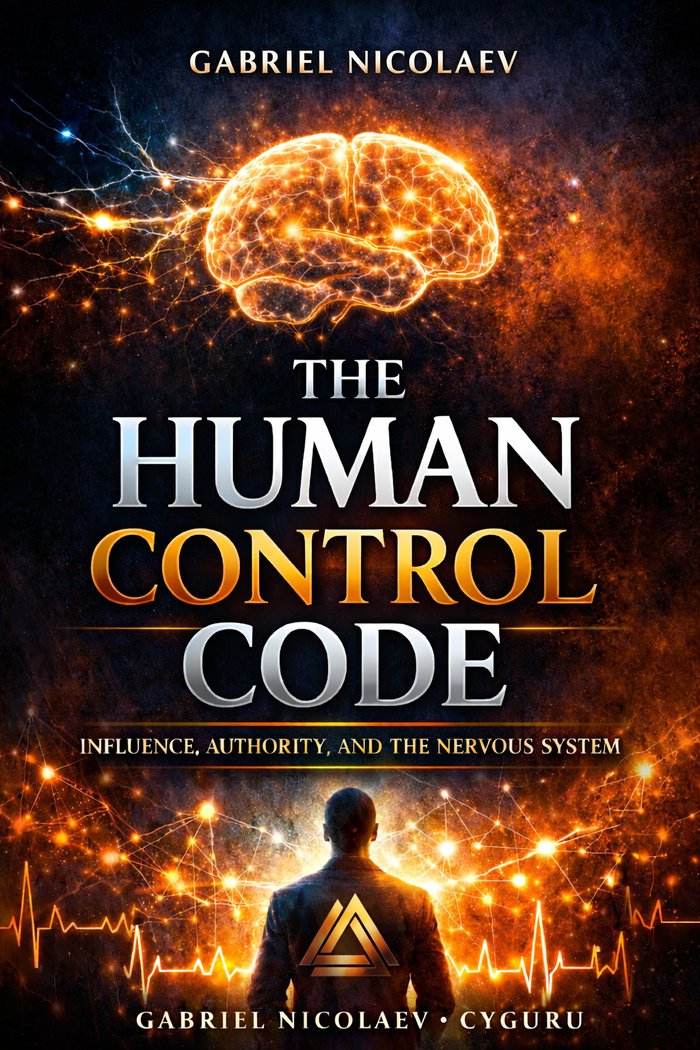
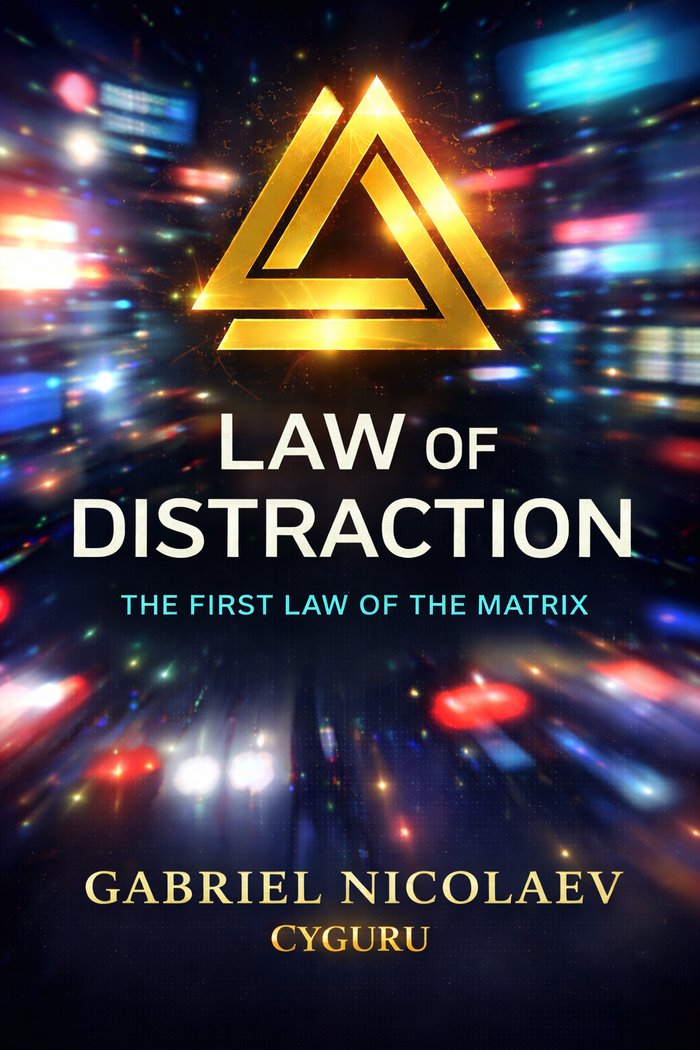
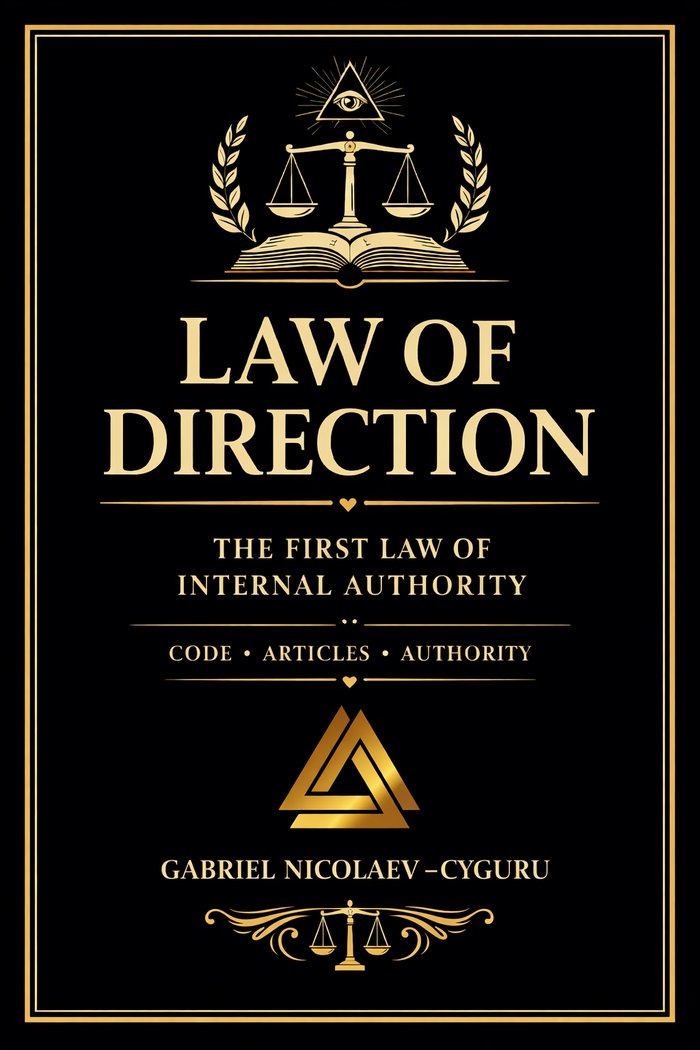



Ask for precise instruction without turning a knowledge gap into an identity judgment, and take responsibility for what you learn and deliver.
Read the article ↗
Separate a remembered event from today’s interpretation, acknowledge uncertainty and avoid turning one past moment into a permanent instruction.
Read the article ↗
Distinguish an inconvenient wait from a personal insult, ask useful questions and keep your next action proportionate to the actual delay.
Read the article ↗
Distinguish necessary message verification from repeated checking that adds no information, and build a practical stopping point without self-diagnosis.
Read the article ↗
Receive appreciation without arguing against it, inflating it into an identity or allowing praise to create an obligation you never accepted.
Read the article ↗
Close small recurring choices with clear limits, defaults and review points, so ordinary decisions stop demanding the same attention throughout your day.
Read the article ↗
Separate criticism about work from conclusions about personal worth, while preserving accountability and the possibility that feedback reveals a real problem.
Read the article ↗
Examine planning that delays contact with a difficult task, and define a first action that produces evidence rather than another promise.
Read the article ↗
Distinguish useful preparation from imagined conflict, and enter difficult conversations with questions that leave room for an actual answer.
Read the article ↗
Understand the notification reflex as a sequence of interrupted commitments, and redesign access to your attention without treating every message as a threat.
Read the article ↗
Explore the transition from a demanding week to unstructured time, distinguishing recovery needs, avoidance and persistent fatigue that deserves attention.
Read the article ↗
Examine deadline pressure through the CyGuru nervous-system lens and build a decision window that separates real time limits from internal urgency.
Read the article ↗
Move from fragments of information toward understanding through focused questions, appropriate sources, practice and sustained attention in work and conversation.
Read the article ↗
Examine defensive behavior through observable conduct, interpretation and context while keeping responsibility and practical repair clear.
Read the article ↗
Explore the mismatch between a quieter present and protective habits that persist, while checking current pressures and seeking appropriate support when needed.
Read the article ↗
Examine the sequence from concern to hurried action and avoidance, then change one practical condition before the same problem becomes tomorrow’s emergency.
Read the article ↗
Use CyGuru’s Nervous System Pyramid as a conceptual map for observing fear, urgency, avoidance and the practical move toward deliberate action.
Read the article ↗
Build a grounded view of confidence through preparation, specific self-trust, openness to correction and responsibility when approval is uncertain.
Read the article ↗
Explore anger, envy, guilt and other difficult feelings as invitations to examine a situation without treating the emotion as a complete explanation.
Read the article ↗
Learn to examine urgency, distinguish a real deadline from emotional pressure and give a clear response without mistaking composure for certainty.
Read the article ↗
A practical guide to slowing consequential judgments: define the claim, examine competing explanations and act with a clearer basis.
Read the article ↗
Build conditions for sustained work by defining the task, controlling avoidable interruptions and giving necessary communication a clear place.
Read the article ↗
Move beyond insight alone by examining the conditions around your next response, from a first reaction to a decision you can stand behind.
Read the article ↗
Replace routines built for a burst of motivation with a structure that can survive fatigue, competing responsibilities and an imperfect day.
Read the article ↗
Build a deliberate relationship with digital input by separating availability, interruption and the work that deserves sustained attention.
Read the article ↗
Recognize the difference between necessary pressure and a daily pattern organized around vigilance, immediate relief and unfinished recovery.
Read the article ↗
Explore deliberate silence as a way to observe, choose your words and hold a boundary without turning withdrawal into a form of control.
Read the article ↗
Learn why noticing the breath before speaking or deciding can create a practical pause between pressure and an automatic response.
Read the article ↗
Explore the space between an event and its interpretation, and why noticing your state can change the decisions you make under pressure.
Read the article ↗
Examine how interruption, habit and social expectations shape attention, and build a clearer distinction between useful structure and automatic compliance.
Read the article ↗
Understand the difference between a stressful moment, a recurring pressure pattern and the practical conditions that make deliberate responses easier.
Read the article ↗
Choose your next psychology or personal development book by defining a question, comparing perspectives and building a deliberate reading path.
Read the article ↗